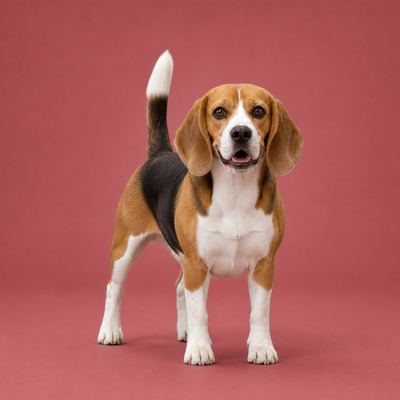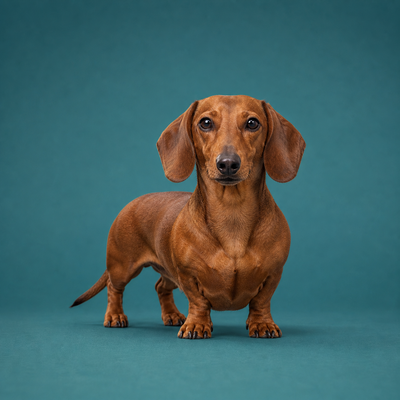
Boxerdoodle
The rarest doodle at the dog park.
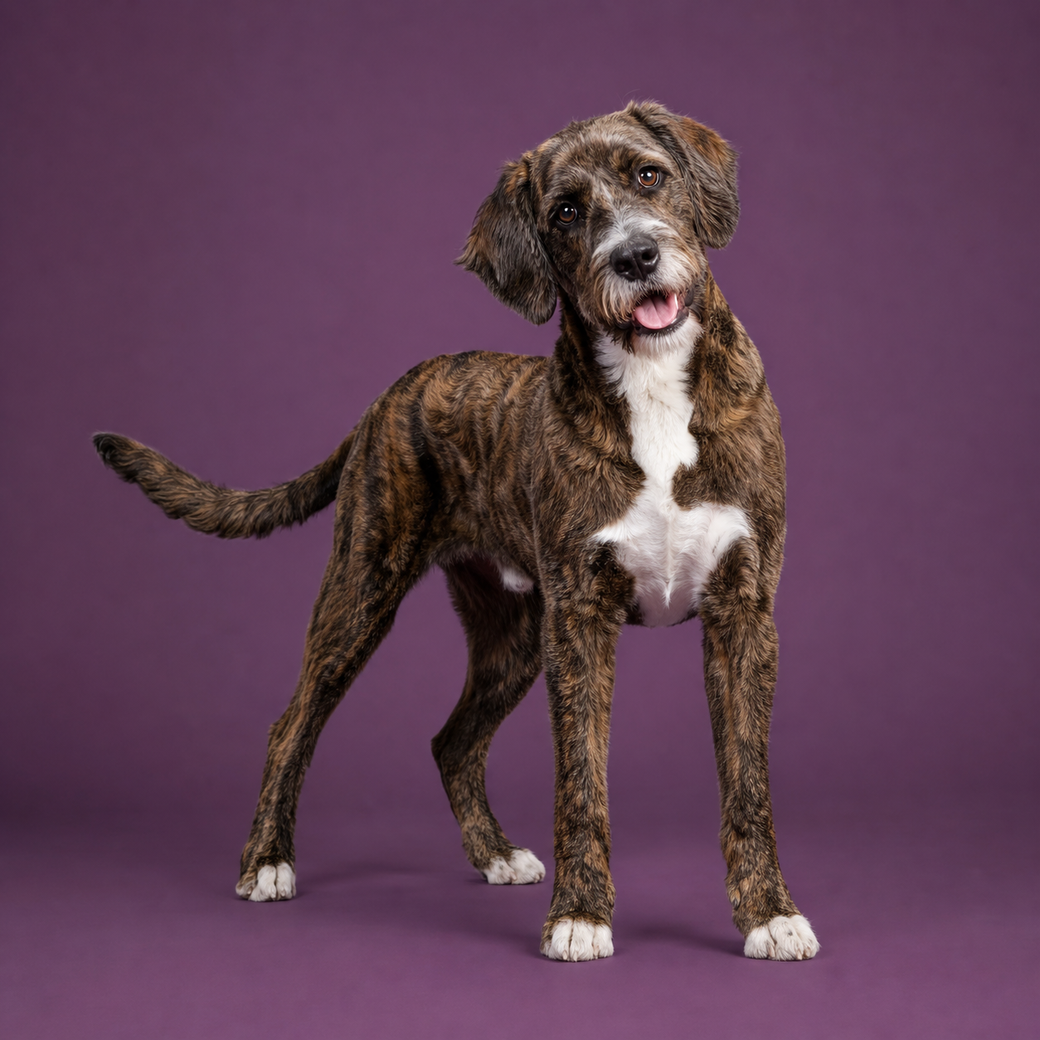
Some designer crosses arrive with a founding legend — a named breeder, a first litter, a manifesto. The Boxerdoodle arrived with a shrug: nobody recorded who first crossed a Boxer with a Poodle, and breeders have only been advertising the mix in earnest for the last decade or so. Even now it is a rare sighting, and a variable one. A Boxerdoodle can weigh twelve pounds or seventy, wear tight curls or a nearly smooth coat, and favor either parent’s face. What the versions share, reliably, is the conviction that your afternoon needed a dog in it.
A lottery you mostly win
Meet the parents, because with this cross the parents are the forecast. The Boxer brings the famous perpetual adolescence — a powerful, playful athlete that stays puppyish for years and takes doors, children, and household logistics personally. The Poodle brings the brains, the working-retriever engine, and the lottery ticket of a low-shedding coat. Any given Boxerdoodle draws its own hand from both decks, which is the honest thrill and the honest risk of designer dogs: you are not buying a standard. You are meeting a family and betting on the resemblance.
Day to day, expect an athlete with a sense of humor. Boxerdoodles are high-energy, quick to learn, and devoted to their households, with a Boxer-ish streak of reserve toward strangers that early socialization turns friendly. They need an hour or more of real exercise and genuine mental work; a bored one is inventive in ways your furniture will document. Families suit them, activity suits them better — and whatever coat arrives, no cross is guaranteed hypoallergenic, so spend time with the actual puppy before staking your allergies on it.
Keeping one happy
Grooming
Grooming depends entirely on which coat arrived. Curlier, Poodle-leaning coats need brushing several times a week and a clip every couple of months; smoother, Boxer-leaning coats ask only a weekly once-over. Either way, check the ears regularly — floppy and furred is a warm place for trouble to start.
Training
A bright, physical student that learns fast and forgets nothing useful. Start young: channel the bounce into sit-for-everything manners before the dog is big enough to enforce its own ideas. Positive methods, short sessions, early socialization — and teach a rock-solid settle. The off switch is trainable; install it early.
Exercise
Plan on an hour a day, minimum, split between real exercise and thinking work — fetch, hikes, training games, puzzle feeders. If the muzzle came out short like a Boxer’s, treat summer heat with real respect and move workouts to the cool hours. A tired Boxerdoodle is a model citizen.
Diet
Portion to the dog in front of you — a cross this size-variable has no standard scoop. Two measured meals a day, treats counted against the total, and a lean silhouette as the fixed goal. Both parent lines run deep-chested, so keep mealtimes calm and leave a rest before hard play.
Working parents, recent invention
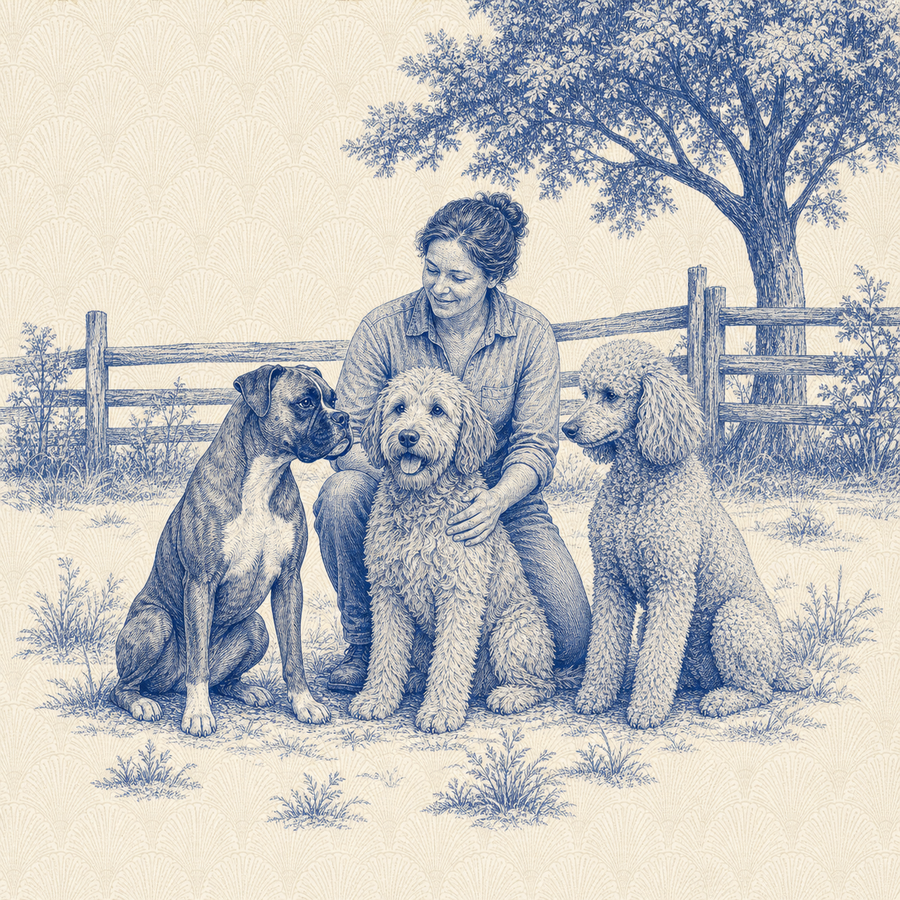
The parents carry the history here: the Boxer refined in 1890s Munich from German hunting stock, the Poodle a water retriever of German origin polished in France — two working breeds with centuries of employment between them. The deliberate cross is a recent development, younger than most doodles, and no kennel club recognizes it: no registry, no standard, only whatever the parents brought.
Questions, answered
How big do Boxerdoodles get?
Anywhere from roughly 12 to 70 pounds, depending mostly on the Poodle parent’s size. The parents are the only reliable preview.
Are Boxerdoodles hypoallergenic?
Sometimes lower-shedding, never guaranteed — coats vary widely even within a litter, and no dog is truly hypoallergenic.
Are Boxerdoodles good family dogs?
Playful, affectionate, and good with children when socialized early — the main management issue is joyful momentum, not temperament.
How much exercise does a Boxerdoodle need?
An hour or more of daily activity plus mental work. This is an athlete’s cross, not a couch commission.