Labrador Retriever
America’s dog — and it isn’t especially close.
For thirty-one consecutive years — 1991 through 2021 — the Labrador Retriever was America’s most popular dog, a streak no other breed has approached. When the French Bulldog finally took the top spot in 2022, the news made national headlines, which tells you what the ranking had become: less a statistic than a piece of the national furniture. The Labs, characteristically, did not take it personally. Popularity was never the point; usefulness was. Ask the duck hunters, the guide-dog schools, the airport detection teams, and every family whose couch carries a permanent dent.
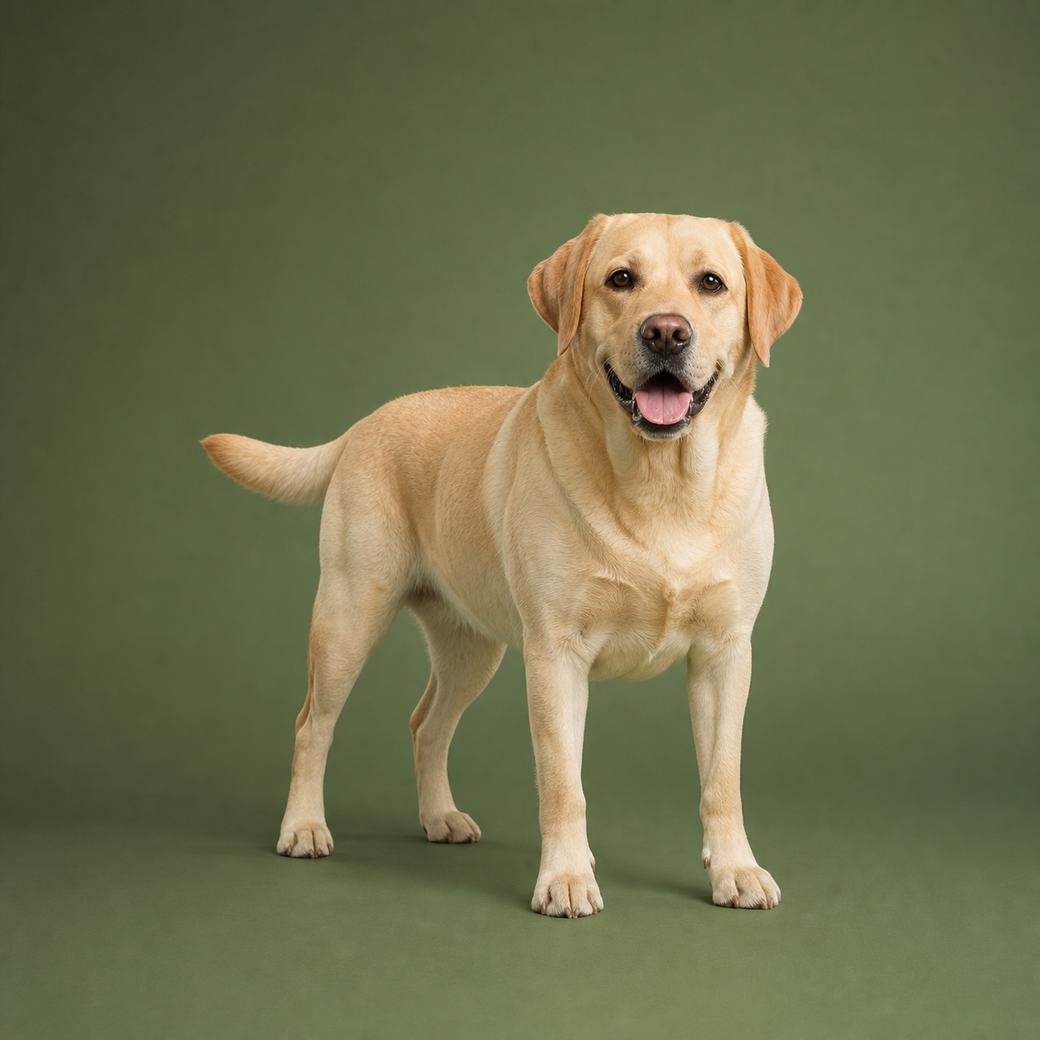
Labs we love
Friendly to a fault
A Labrador greets the world as one long invitation to play. Even-tempered, eager, and almost impossible to offend, they fold into family life with an ease few breeds can match — as happy underfoot in the kitchen as they are chest-deep in a cold lake. The versatility is the story: the same dog that retrieves ducks at dawn works as a guide dog, a detection dog, and a therapy visitor by afternoon. No breed has passed more of America’s practical exams, which is how a fisherman’s helper became the national default.
That enthusiasm is a lot of dog, though. Labs are strong, high-energy, and famously food-motivated, and a young one without a job will find one you won’t like — usually involving something of yours, held gently, at speed. They stay puppyish for years, shed more than the short coat suggests, and consider every meal negotiable upward. Give them exercise, structure, and something to carry, and they settle into the best kind of companion: cheerful, easygoing, and certain your return is the day’s main event.
Keeping one happy
Grooming
A short, dense, weather-resistant double coat that looks low-maintenance and sheds more than you’d expect — heavily twice a year. A weekly brush (daily during a shed) keeps it in check. The coat carries a little natural oil, so bathe only when they’ve found something to roll in.
Training
Bright, willing, and extremely food-motivated, Labs are a joy to train and quick to pick things up. Start early, keep sessions short and upbeat, and use that appetite to your advantage. Channel the retrieving instinct into games and they’ll work all day to please you.
Exercise
Plan on at least an hour of real activity a day — more for a young dog. Swimming, fetch, long walks, and scent work all suit them, and a Lab who gets enough of it is calm and biddable at home. A Lab who doesn’t will remodel your couch.
Diet
Labs live to eat and gain weight easily — many even carry a gene tied to a bigger appetite. Feed a measured, balanced diet, go easy on treats, and keep them lean; it protects their joints and adds years to their life.
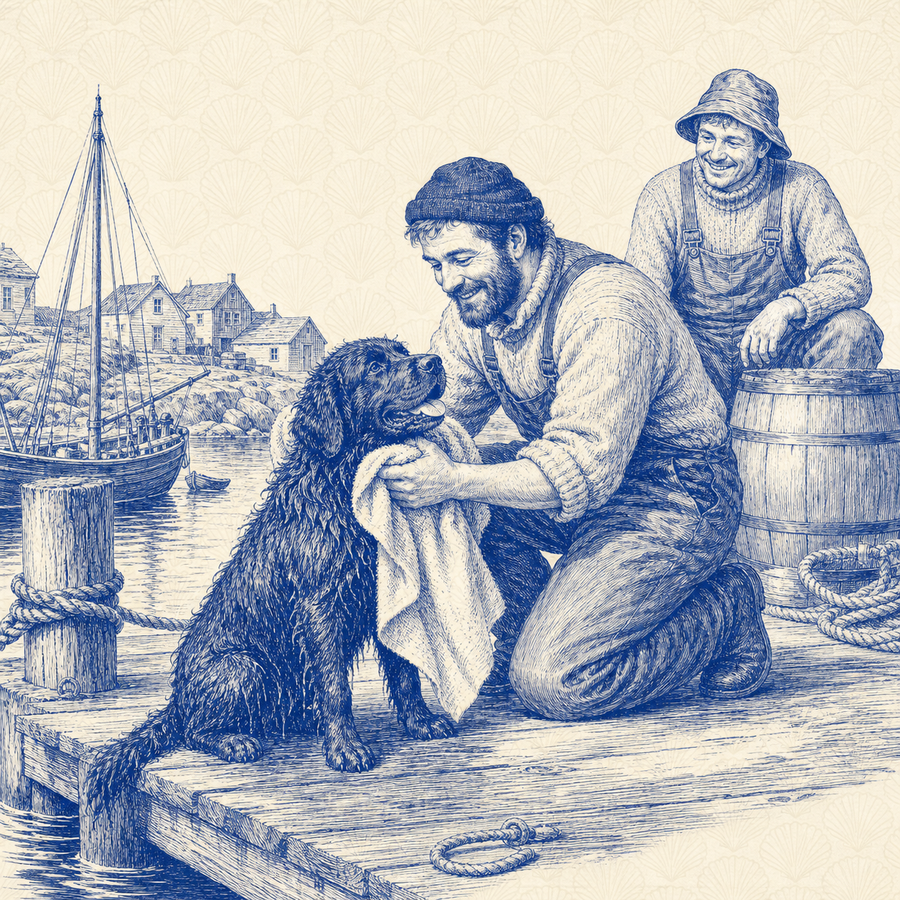
From the docks of Newfoundland
Despite the name, the Labrador’s roots are in Newfoundland, where the St. John’s water dog hauled nets and fetched fish for local crews. English sportsmen brought the dogs home in the early 1800s, and breeders like the Earls of Malmesbury refined them into the retriever we know. The AKC recognized the breed in 1917.
Questions, answered
What colors do Labradors come in?
Three recognized colors: black, yellow, and chocolate. Shades within yellow range from near-white to fox red; “silver” Labs are a diluted chocolate and remain a subject of debate.
Do Labradors shed a lot?
Yes — that short coat sheds steadily, with two heavier seasonal sheds a year. Regular brushing keeps it manageable.
Are they good first dogs?
Often, yes — they’re trainable and forgiving. Just go in clear-eyed about the exercise a young, powerful retriever needs.
How long do Labradors live?
Typically 11–13 years. Keeping them lean is one of the best things you can do for their longevity.