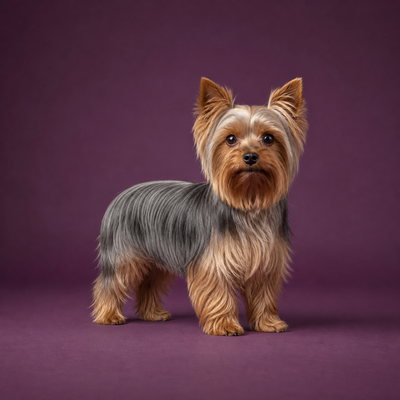
Brussels Griffon
From rat catcher to royal favorite. Quite the career change.
In 19th-century Brussels, carriage drivers had a problem: rats in their stables. Their solution was a scruffy little dog with sharp instincts, a determined personality, and a face that suggested it had seen quite enough.
Then Queen Marie Henriette of Belgium took a liking to the breed, and the humble stable dog found itself in rather more fashionable company.
By the late 20th century, a Brussels Griffon was stealing scenes alongside Jack Nicholson in As Good as It Gets. From the stable yard to the silver screen, that expressive little face had found a whole new audience.
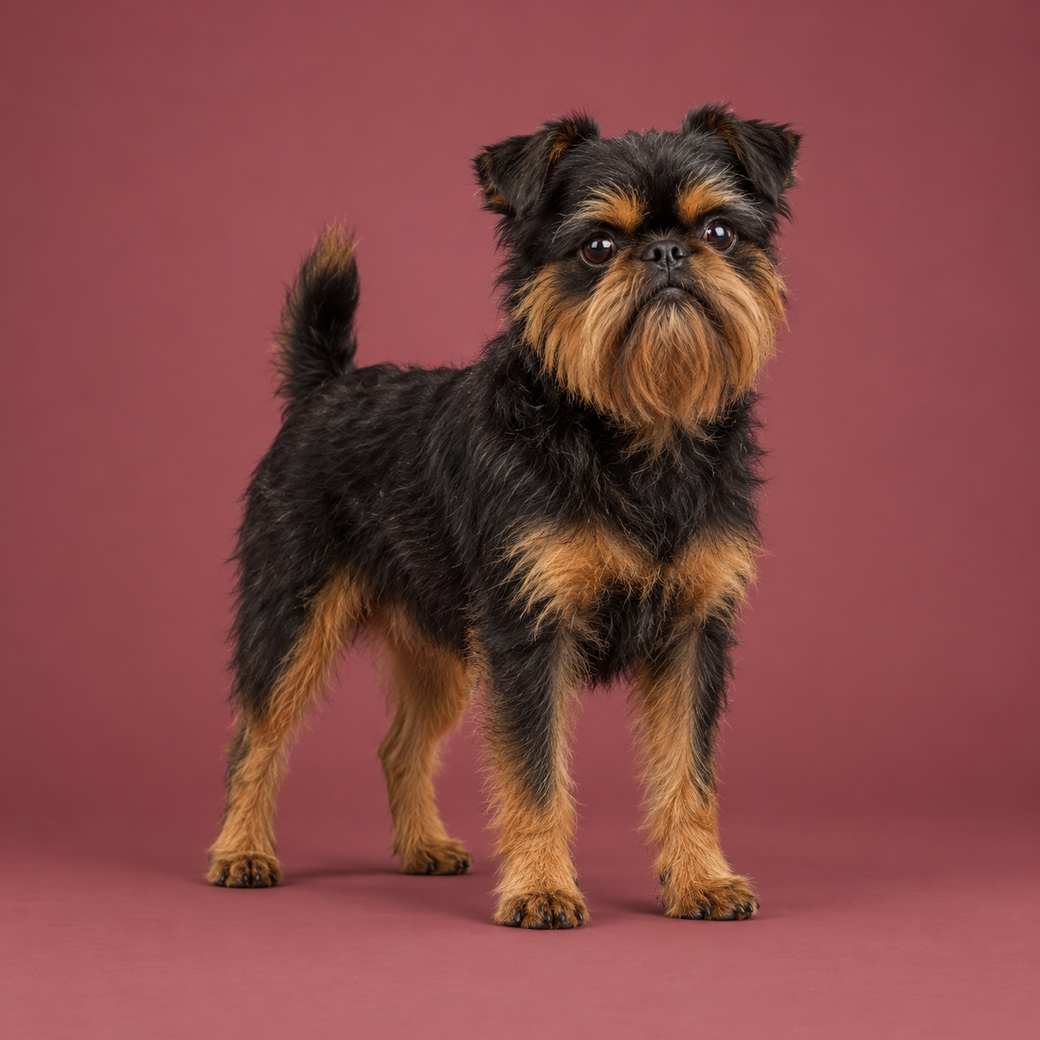
A small dog with considerable opinions.
Griffons tend to be affectionate, clever, sensitive, and extraordinarily devoted to their people. They want to be involved in everything.
Making coffee? They’re supervising. Working at your desk? They’ve found a position nearby. Going to another room? Apparently, that’s a group activity.
They often bond strongly with one favorite human, but they have room for plenty of affection. They’re playful and curious, with enough confidence to forget how small they are.
They can be cautious around strangers, so patient socialization matters. Sensitive souls, they learn best with kindness and consistency. And they’re natural comedians, even when they don’t realize it.
Keeping one happy
Grooming
Rough coats need regular brushing and professional grooming to stay tidy. Ask a groomer familiar with the breed about hand-stripping versus clipping. Smooth coats are easier to maintain but shed more. Both need regular nail trimming, dental care, and gentle cleaning around their eyes and any facial folds.
Training
Keep sessions short, cheerful, and rewarding. Positive reinforcement works well; harsh corrections can undermine their confidence. Early socialization helps them feel comfortable with new people and situations. House-training may require extra patience.
Exercise
Short daily walks and indoor play help keep a Griffon happy. Adjust activity to the individual dog, and avoid heat and overexertion because of their short muzzle. Puzzle toys and little training games give their busy minds something to do.
Diet
Choose a complete, balanced food appropriate to their age and size. Measure portions, keep treats modest, and ask your veterinarian about individual nutritional needs.
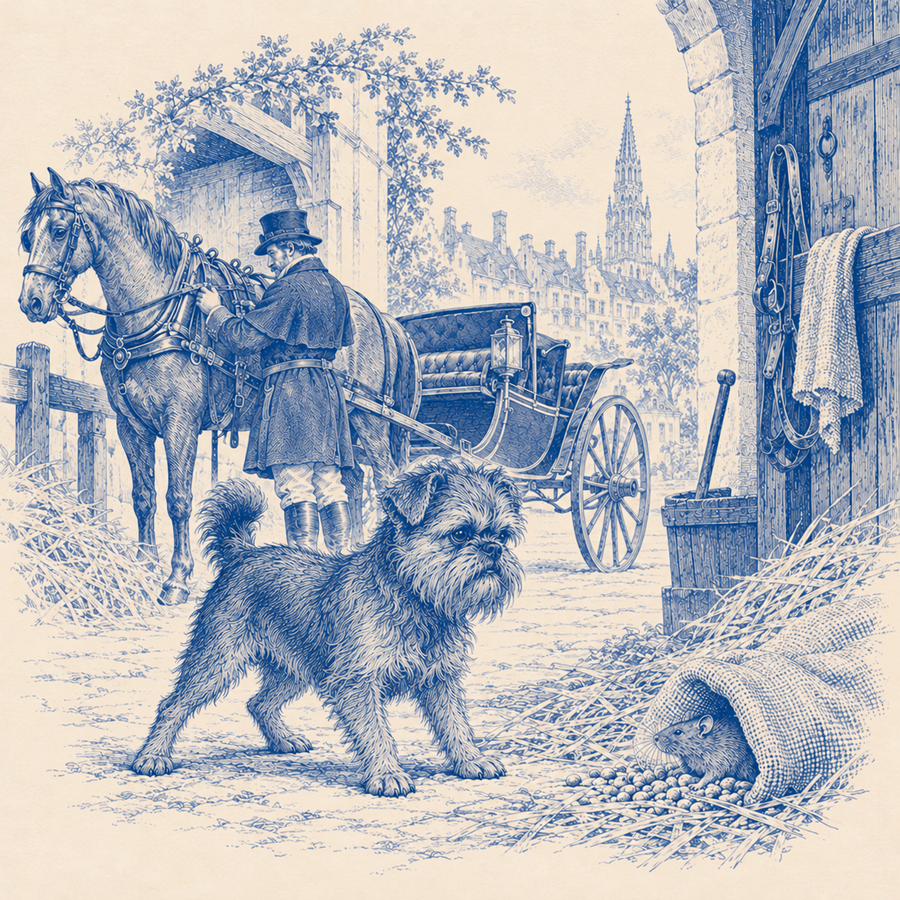
From the stable yard to the drawing room.
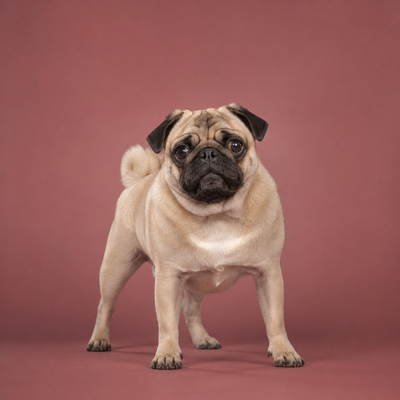
The Brussels Griffon developed in Belgium from small dogs kept to catch rats around stables. Affenpinschers, Pugs, and English Toy Spaniels contributed to the breed’s development, helping shape its coat varieties and distinctive face.
Royal enthusiasm brought attention to these little companions, and the American Kennel Club recognized the breed in 1910.
Today, American Brussels Griffons come in rough and smooth coats. Some European registries recognize the related Griffon Bruxellois, Griffon Belge, and Petit Brabançon as separate breeds.
Questions, answered
Are Brussels Griffons and Affenpinschers the same breed?
No. They share ancestry and a family resemblance, but they are distinct breeds. The Affenpinscher has a wiry coat and a famously monkey-like expression. Brussels Griffons can have rough or smooth coats and come in a wider range of colors.
Do Brussels Griffons shed?
It depends on the coat. Rough-coated Griffons generally shed very little when properly maintained. Smooth-coated Griffons shed more and benefit from regular brushing.
Are Brussels Griffons hypoallergenic?
No dog is completely hypoallergenic. A rough-coated Griffon may leave less loose hair around the house, but can still produce allergens. The breed club cautions that Griffons may be unsuitable for people with allergies.
Are Brussels Griffons good family dogs?
They can be affectionate family companions, particularly with older children who handle them gently. Their small size and sensitivity make them less suited to rough play. Individual temperament and supervision matter.
How long do Brussels Griffons live?
Typically around 12–15 years, with some living longer. Regular veterinary care matters, with particular attention to their eyes, teeth, knees, and breathing.