Cane Corso
The bodyguard job is hereditary.
By the 1970s, the great farm dogs of southern Italy were nearly a memory. For centuries the cane corso had done a little of everything on the land — held half-wild boar for the hunter, walked cattle to market, kept the farmyard honest — but when the old sharecropping system collapsed, the work vanished, and the dogs were vanishing with it. A handful of enthusiasts refused to let that finish. They tracked surviving dogs through remote villages of the far south and rebuilt a breed from what they found. Most extinctions happen quietly. This one was interrupted.
Seriousness, at scale
The breed's people will tell you the story runs much deeper — that the corso descends from the canis pugnaces, the war dogs of the Roman legions, molossers marched home from campaigns in the east. Treat that as classical lore with good bones. Even the name argues about itself: corso likely traces to the Latin cohors, which meant either the enclosed farmyard or the bodyguard cohort, depending on which Latinist you ask. Either reading fits. America has voted with its leashes — the corso now ranks eleventh among AKC breeds, and climbing.
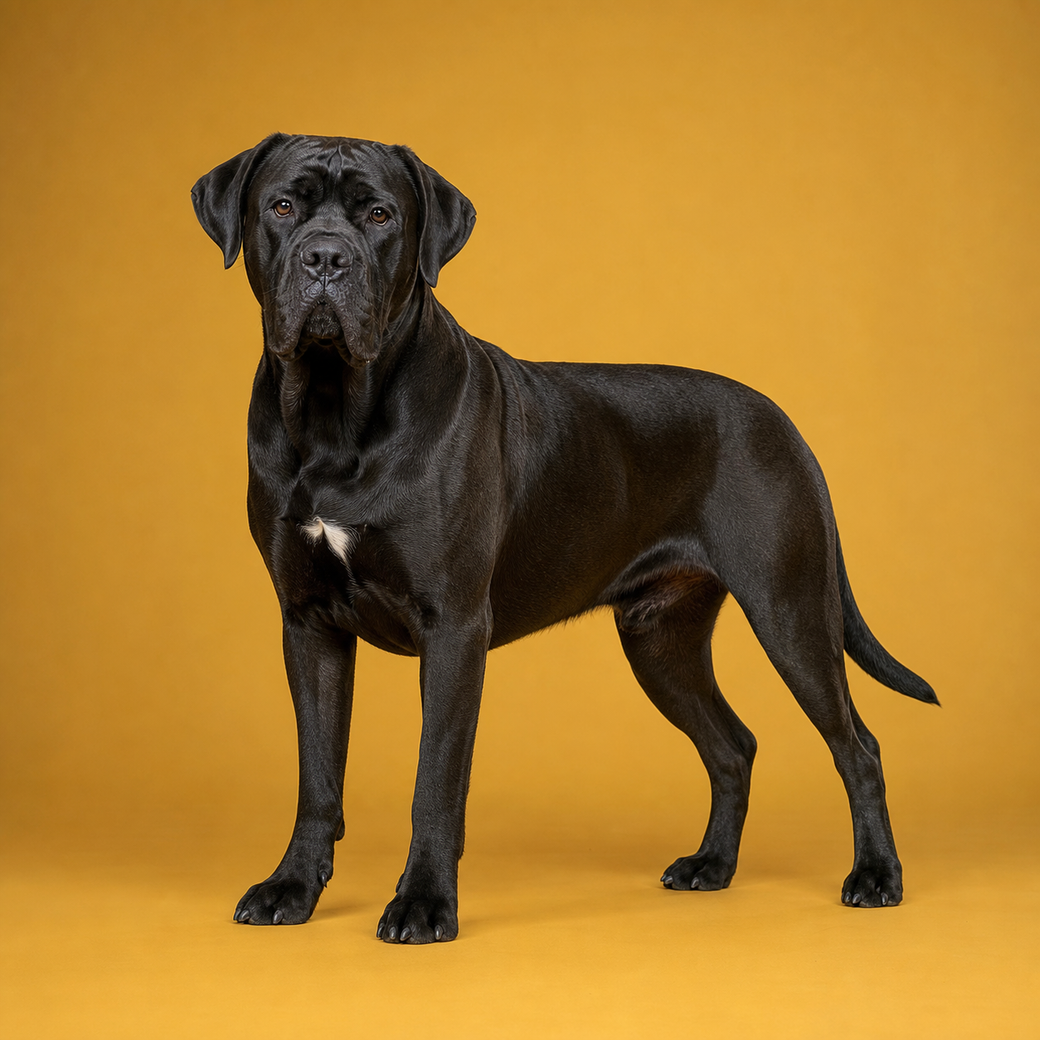
At home, a well-raised corso is calm to the point of stateliness: a hundred-plus pounds of quiet observation, devoted to their family and genuinely uninterested in strangers' opinions. The guarding instinct is standard equipment, not a training outcome, which means socialization is the first year's real job and structure is a lifetime one. They are not for first-time owners, permissive households, or anyone hoping the size is decorative. For experienced people willing to lead, the reward is an affectionate, watchful partner who takes your safety personally.
Keeping one happy
Grooming
The short double coat asks little: a weekly once-over with a rubber mitt, heavier brushing during spring and fall sheds, occasional baths. Expect some drool with those generous lips — furniture-grade, not fire-hose. Keep nails short and ears clean; on a dog this size, small maintenance prevents large arguments.
Training
Socialization is the project: introduce people, dogs, and places early, widely, and on purpose. Corsi are intelligent and surprisingly eager to work for a leader they respect — calm, consistent, reward-based handling suits them; harshness backfires. Obedience classes are not optional extras here. They are infrastructure.
Exercise
A brisk hour or so daily — walks, hikes, structured play — plus a securely fenced yard to patrol, which they consider part of the job. Add mental work: obedience practice, scent games, a flirt pole. A bored guardian invents policies. Skip the dog park; choose known friends instead.
Diet
Feed a large-breed formula in measured meals and grow puppies slowly — fast gain is the enemy of those joints. Keep adults lean enough to see a waist. Deep-chested breeds carry bloat risk: calm mealtimes, rest around meals, and know the warning signs before you need them.
Nearly lost, deliberately found
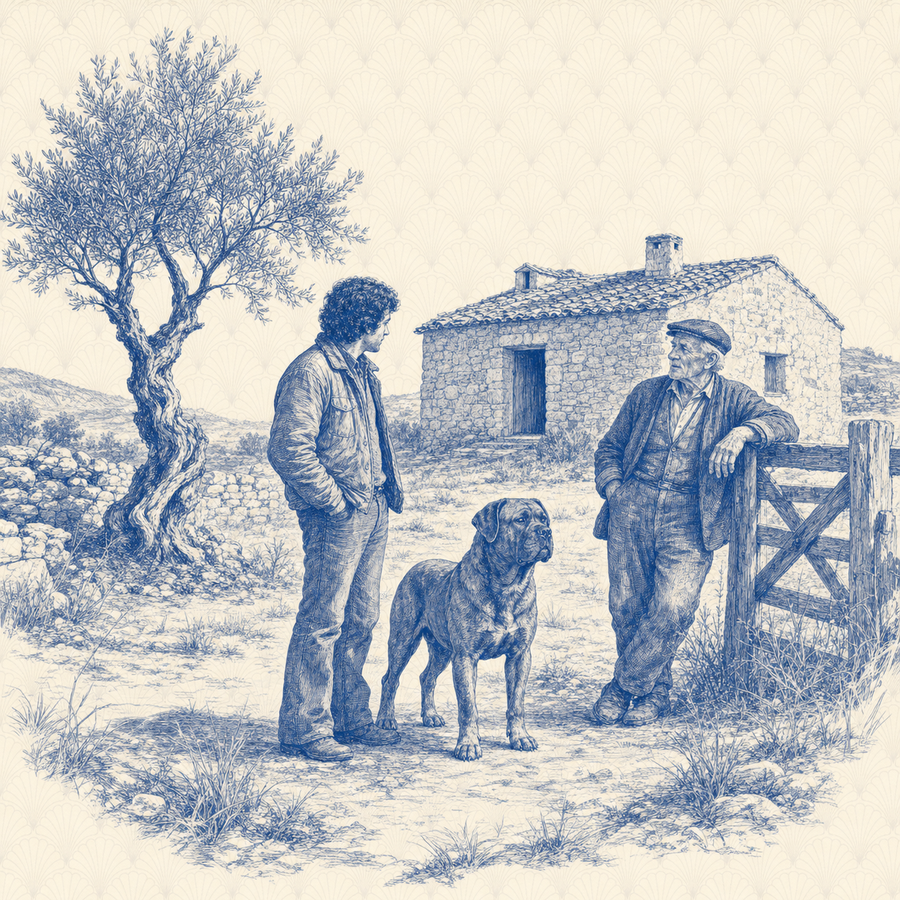
After Rome, the corso settled into centuries of Italian farm work — boar hunting, droving, guarding the yard. Mechanized agriculture and two world wars nearly erased the breed; revival began in the 1970s and '80s, when Italian fanciers gathered the last rural survivors. The first corsi reached America in 1988, and the AKC granted full recognition in 2010.
Questions, answered
Are Cane Corsi good family dogs?
With experienced owners, yes — devoted and gentle with their own household. Early socialization and adult supervision around children are non-negotiable.
Are Cane Corsi aggressive?
They are guardians — reserved with strangers and protective by design. Well-bred, well-socialized corsi are stable and discerning, not hair-triggered.
How long do Cane Corsi live?
Typically 9–12 years. Interestingly, studies suggest black brindle corsi average the longest lives in the breed.
Do they drool and shed?
Some of both — moderate drool, moderate seasonal shedding. Neither approaches mastiff extremes.