Cavapoo
The gentlest math in the doodle catalogue.
Somewhere in Australia in the late 1990s, breeders ran a sum that a lot of people had apparently been waiting for: take the Cavalier King Charles Spaniel, the softest lapdog in the book, and cross it with a small Poodle, the brainy one that sheds less. The answer — the Cavapoo, or Cavoodle as the Australians say it — became one of the most-requested dogs on two continents, the cross people reach for when they want gentle first and clever second. The paperwork on exactly who did it first is thin. The demand has never been.
Cavoodles we love
Bred to be easy company
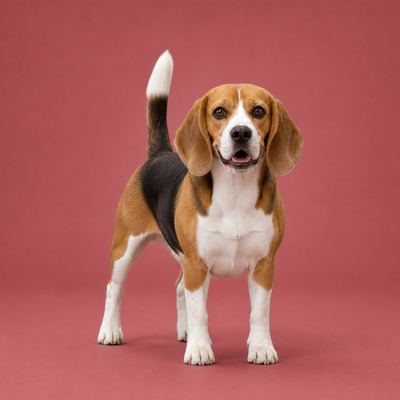
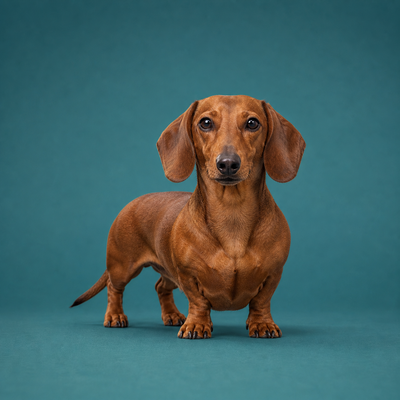
Meet the parents, because a Cavapoo is an average of two very likable dogs and lands somewhere on the line between them. From the Cavalier comes the temperament everyone is really buying: affectionate, mild, happy on a lap, good with children and other animals. From the Poodle comes the wit, the spring, and the wavy coat that sheds less than a spaniel’s. Which parent a given puppy favors varies litter to litter — there is no standard holding them to a type — so the honest move is to meet the actual dog, not the idea of one.
What they share across the spectrum is a low tolerance for solitude. Both parent breeds are companions to the bone, and the cross doubles down: a Cavapoo left alone all day is a Cavapoo rehearsing its complaints. They are bright and eager, which makes training a pleasure and boredom a hazard. And a note owners deserve up front — the Cavalier side does not carry the Poodle’s low-allergen coat, so despite the reputation, no Cavapoo is guaranteed hypoallergenic. Spend time with one before you count on it. Company, though, they guarantee.
Keeping one happy
Grooming
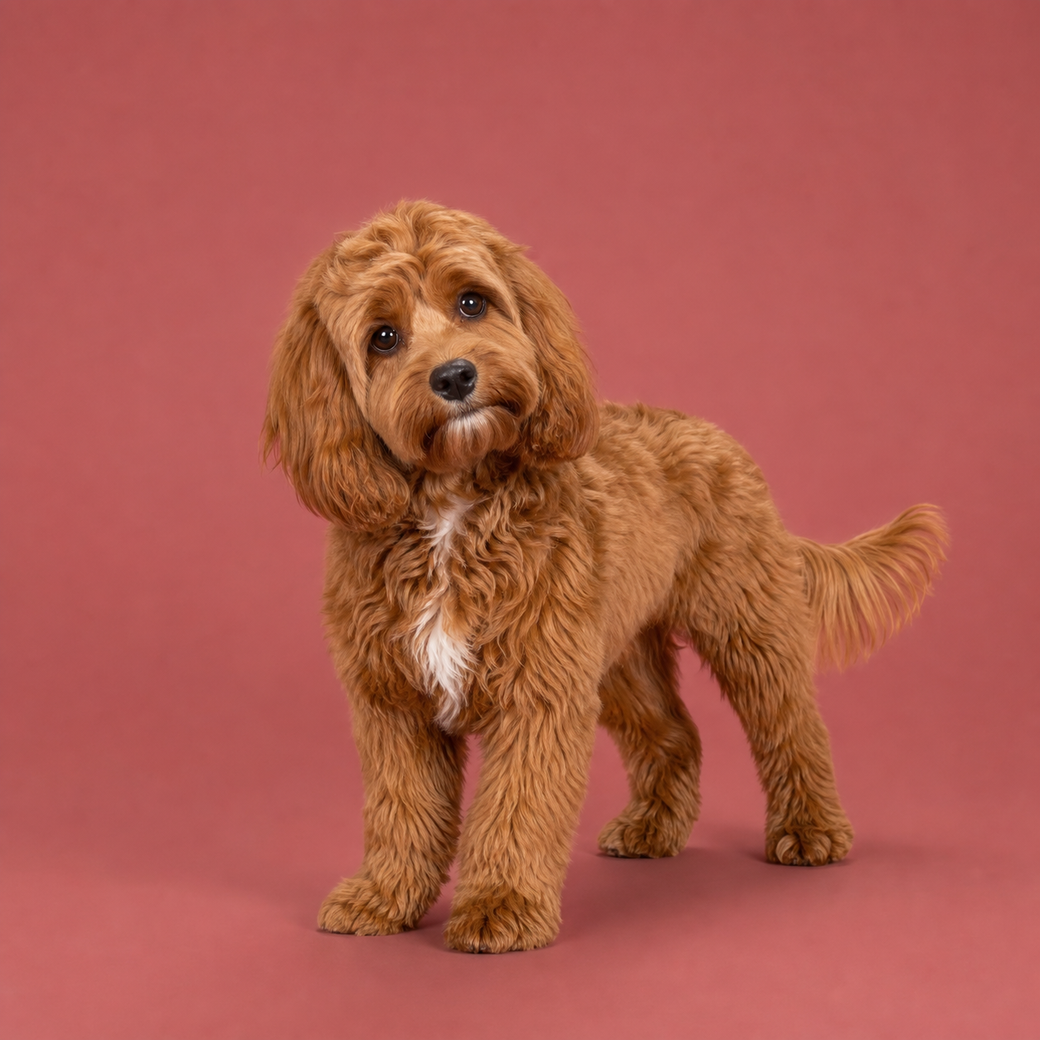
The wavy coat wants brushing several times a week to stay ahead of mats, plus a professional trim every couple of months. Shedding is usually light, but it varies with which parent the coat favors. Keep the ears clean and dry — the Cavalier heritage brings low-hanging ears that hold moisture.
Training
Bright, soft, and eager to please — Cavapoos train easily and wilt under harsh handling, which they neither need nor forgive. Keep sessions short, warm, and rewarding, and make separation practice part of the curriculum early. A dog this attached needs to learn that alone is survivable before the workday tests it.
Exercise
Moderate and cheerful: a good daily walk plus play and a little training covers the body and the mind. They will happily hike or nap depending on your plans, which is much of the appeal. Skip nothing entirely, though — an under-walked Cavapoo channels the spare energy into finding out what your shoes taste like.
Diet
A measured, balanced food scaled to a small dog is the whole plan. Cavapoos can be food-motivated and gain weight quietly, especially once treats become the training currency, so count them against dinner. Fresh water always, and a vet’s eye on portions as they settle from puppy to adult.
An Australian sum
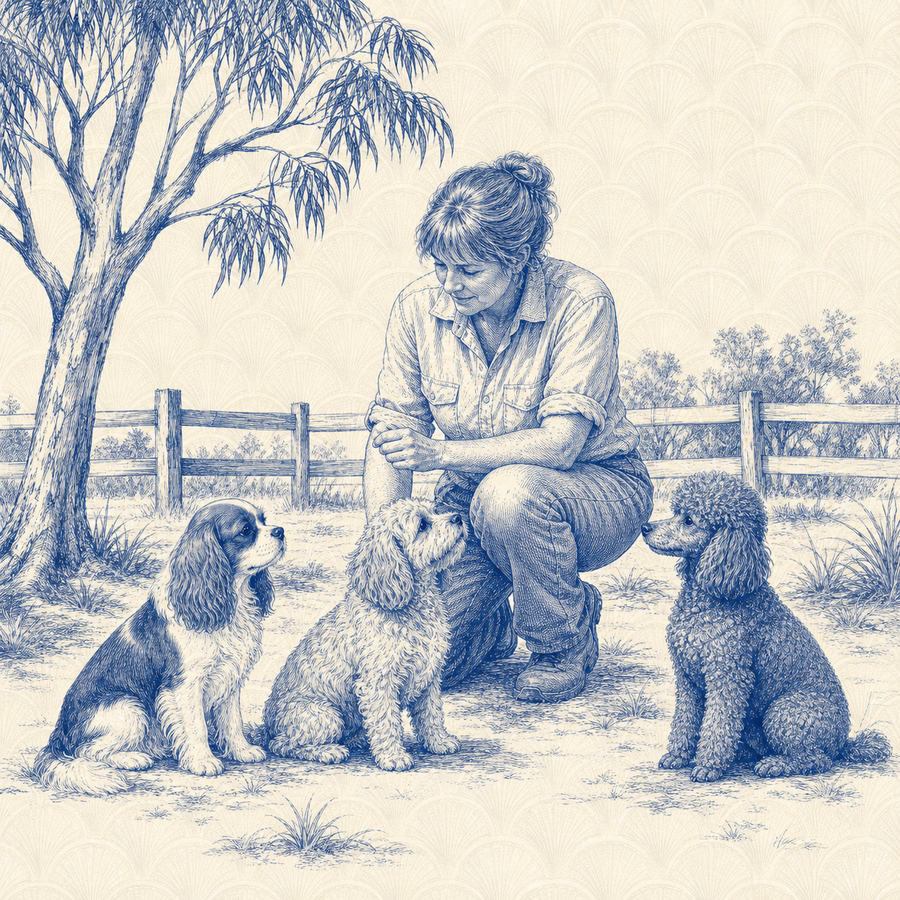
The Cavapoo emerged from Australia’s designer-cross boom in the late twentieth century — Cavalier King Charles Spaniel over Miniature or Toy Poodle, aimed at a gentle, lower-shedding companion. Like most crosses it has no kennel-club breed standard and no studbook; a Cavapoo is a first- or later-generation mix, not a breed. The exact origins go undocumented, but the demand made it a fixture on both sides of the world.
Questions, answered
Are Cavapoos hypoallergenic?
Not reliably. The Poodle side sheds little, but the Cavalier side does not, so any given Cavapoo may shed more than expected. Spend time with the dog before betting on it.
Do Cavapoos bark a lot?
Not especially — they tend to be quiet, though a bored or lonely one will find its voice. Company and exercise keep them settled.
Are they good with kids?
Generally excellent — gentle, patient, and sized for a family. As with any small dog, teach children to handle them kindly.
Can they be left alone?
Not for long, and not happily. Both parent breeds are companions first; separation practice from puppyhood is essential.