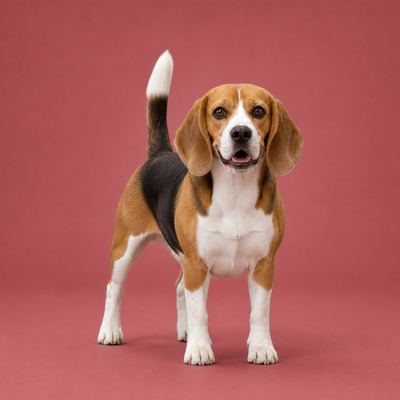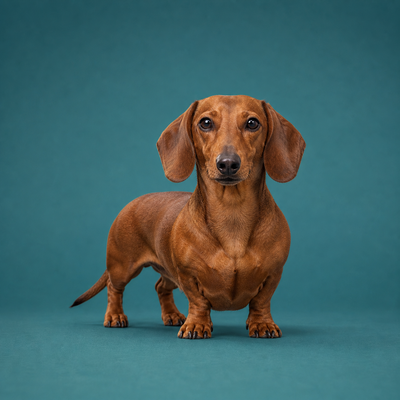
Doodle
Not a breed. A movement.
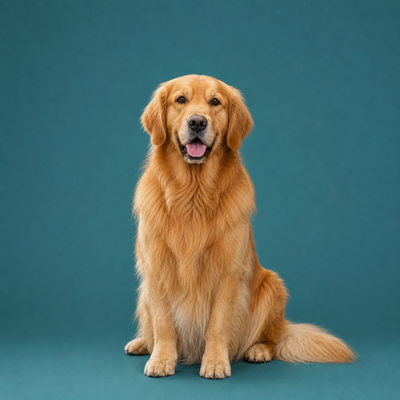
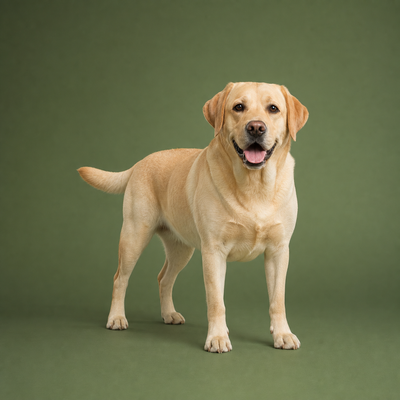
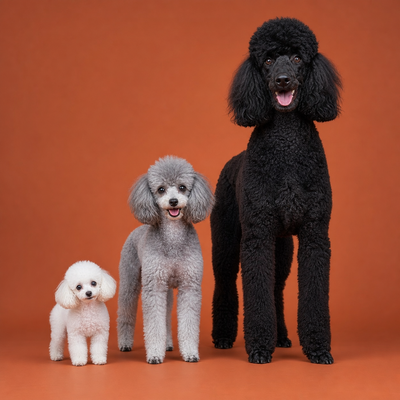
At some point in the past thirty years, the dog park acquired a new language. Goldendoodle. Bernedoodle. Sheepadoodle. Aussiedoodle. Schnoodle. One friendly suffix attached itself to half the studbook, and the results — curly, sociable, allegedly low-shedding — became the defining family dog of the era. The Doodle is not a breed and never has been: it is an idea, the Poodle crossed with whatever your family already loved, repeated across dozens of pairings until the idea needed only the one word. Ideas this popular deserve a fair hearing — and the fine print read aloud.
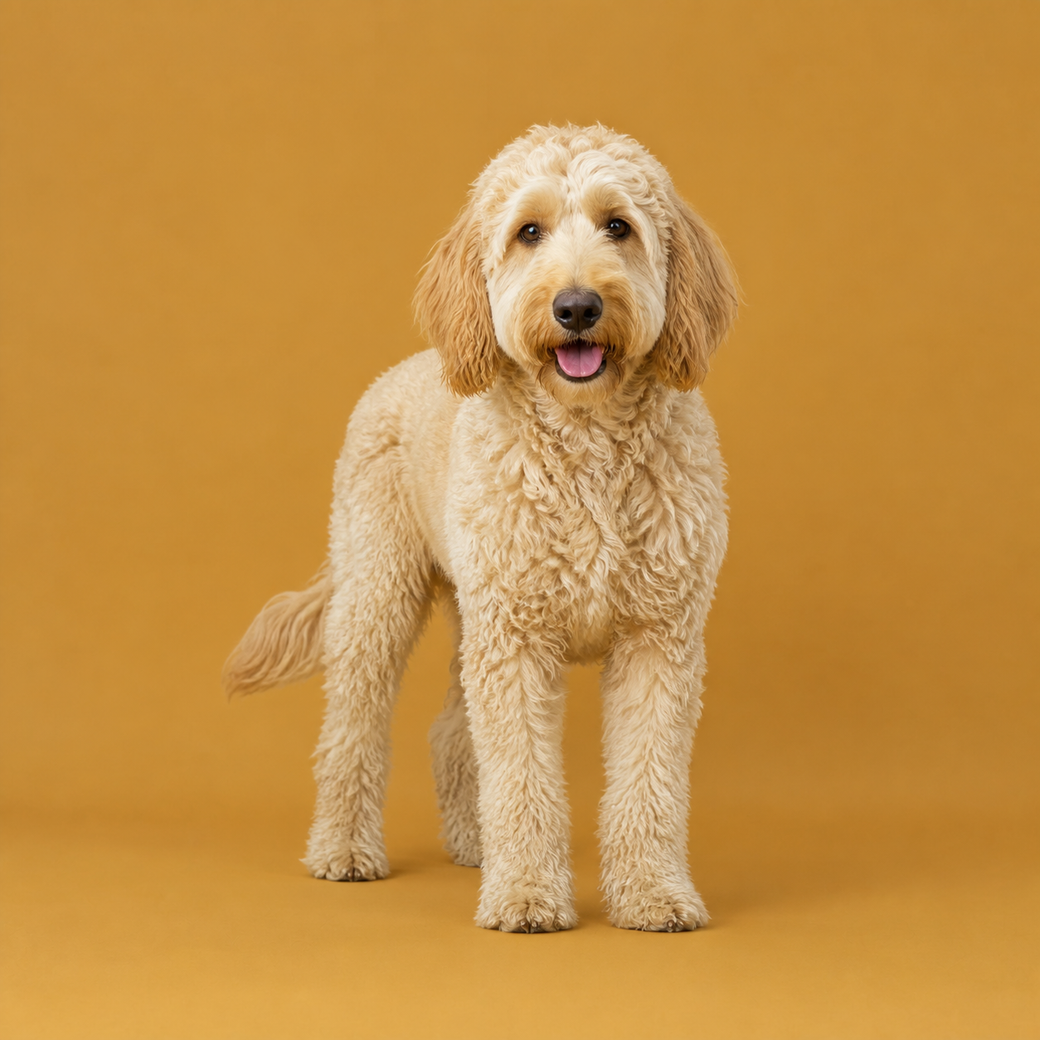
Doodles we love
An idea with fur
The boom began in the 1990s and compounded through the 2000s, powered by two promises: a Poodle cross would be friendly, and it would be kind to allergies. The first held up well — the Poodle is a genuinely warm, brilliant dog, and its crosses mostly are too. The second was always a likelihood, not a law: coat and dander vary puppy to puppy, and no dog is reliably hypoallergenic. The honest pitch is odds, not guarantees — the considerable odds that two good dogs make a third.
What can you actually expect? Most doodles land friendly, clever, and busy — Poodle brains come standard, and brains want schedules. Size follows the parents, from lap-sized to leggy. The coat is the great variable and the great myth: many doodles shed little, some shed plenty, and nearly all of them mat spectacularly without real brushing and regular professional grooming — the low-shed coat is the high-maintenance one. Budget for that, insist on breeders who health-test both parents and let you meet them, and the era’s favorite family dog will probably earn the title in your house too.
Keeping one happy
Grooming
Whatever the mix, assume the Poodle coat won: brushing to the skin several times a week, a metal comb behind the ears and under the collar, and a professional groom every six to eight weeks. Matting is the doodle tax — skip a week and the coat collects interest. Start the routine in puppyhood.
Training
Usually a joy: most doodles inherit the Poodle’s eagerness and learn at conversation speed. The flip side of clever is inventive, so give the brain a curriculum — obedience, tricks, scent games — before it writes its own. Socialize early, and train the specific dog in front of you, not the label.
Exercise
Scale to the parents: a toy cross may be content with brisk walks and games, while retriever and shepherd mixes want a genuine hour or more. Every doodle wants mental work — puzzle feeders, fetch with rules, new tricks. Under-exercised doodles are famous barkers and gifted redecorators. Meet the quota; enjoy the calm.
Diet
Feed the dog you actually have, not the doodle in the brochure: two measured meals matched to size and life stage. Count training treats honestly; eager students earn all day. Larger doodles from deep-chested parents carry bloat risk, so keep mealtimes calm and split the portions.
The suffix that stuck
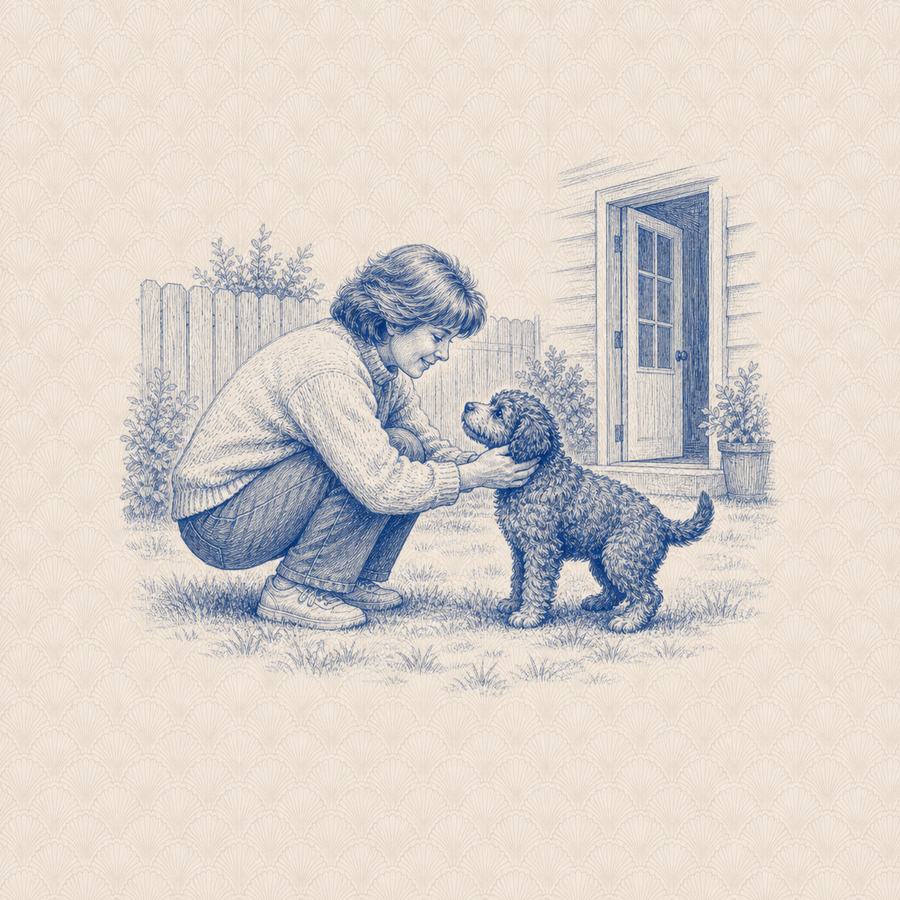
Poodle crosses existed quietly for as long as Poodles did; the branding arrived in the late twentieth century, when deliberate crosses aimed at family temperaments and lower-shedding coats took portmanteau names and took off, spreading within a couple of decades to nearly every popular breed. What never arrived was a registry: a doodle is defined by its parents, not a standard, and buying one well means judging the breeder, not the brand.
Questions, answered
Are doodles hypoallergenic?
Often a better bet than most dogs, never a guarantee — allergen levels vary by individual dog, doodle or not. Spend real time with the specific puppy before committing.
What counts as a doodle?
Any deliberate Poodle cross — Goldendoodle, Bernedoodle, Cavapoo, Schnoodle, and dozens more. The non-Poodle parent sets most of the size and temperament odds.
Do doodles shed?
Usually less than the non-Poodle parent, but it varies — some barely shed, some genuinely do. Every doodle needs serious brushing either way; low-shed coats mat easily.
Are doodles recognized by the AKC?
No — no kennel club recognizes any Poodle cross. There is no breed standard, which makes a careful, transparent breeder the most important choice you will make.