English Cocker Spaniel
One Victorian dog, most of the family tree.
Nearly every cocker spaniel alive traces back, one way or another, to a black dog born in an English kennel in 1879. His name was Obo — bred by James Farrow, campaigned to championships, and so reliably himself that breeders finally had something to steer by in what had been a fog of look-alike spaniels. His son Obo II founded the American branch, and the two families have been drifting apart ever since. The English kept the original blueprint: a compact, big-hearted bird dog with a tail that runs on its own power supply.
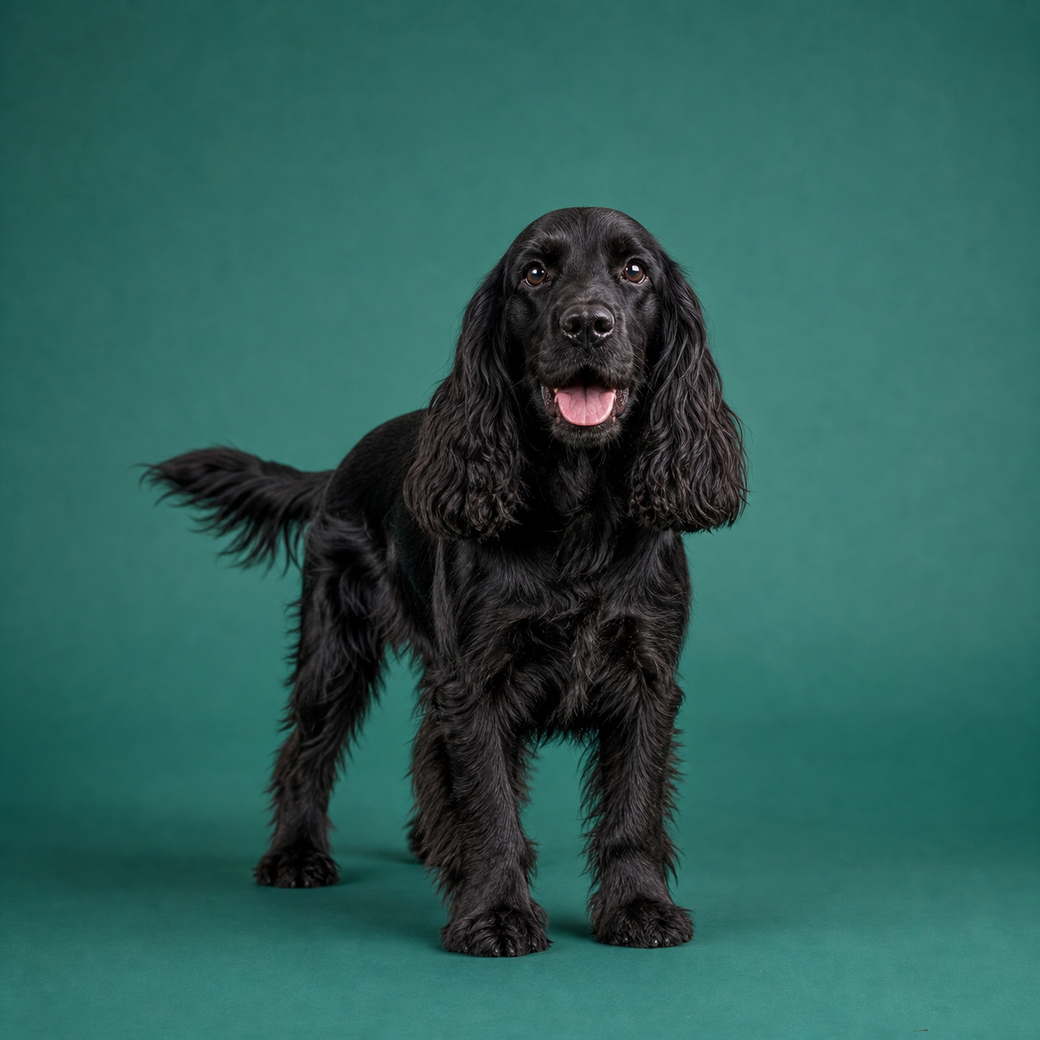
English Cocker Spaniels we love
Busy tail, working nose
“Cocker” is a job description: they were the spaniels small enough to work woodcock out of dense cover, and the English branch never stopped clocking in. In Britain the field-bred “working cocker” is everywhere in the shooting field — a small dog quartering through bramble with visible joy — and the same drive hums under the show lines’ softer outline. English Cockers run leggier and longer-muzzled than their American cousins, less coat, more field. What both share is the spaniel gaze, deployed with intent, usually at whoever is holding the sandwich.
Living with one is a study in enthusiasm management. English Cockers are affectionate to the point of surveillance — they follow, they lean, they assign themselves to your lap — and they meet the day with a wagging that starts at the tail and involves the whole dog. The bird-dog software needs somewhere to run: an under-exercised cocker becomes a self-employed one. The ears want weekly attention, the coat wants a schedule, and the appetite wants supervision. In exchange you get one of the most cheerfully companionable dogs in the sporting group.
Keeping one happy
Grooming
The silky coat wants brushing two or three times a week and a proper trim every month or two — the feathering on legs and ears mats first. Those long ears need weekly cleaning and a thorough dry after swims; ear trouble is the classic spaniel complaint. The reward is a coat that gleams.
Training
An eager, soft-tempered student who works for praise and folds under harsh handling — keep it gentle, upbeat, and consistent. They learn household law quickly and hunting games even faster. Give the flushing instinct legal outlets: fetch, find-it games, scent work. A cocker with a job is a cocker out of trouble.
Exercise
An hour or so a day, ideally varied: brisk walks, fetch, swimming, and something for the nose. This is a genuine sporting dog in a small frame — more athlete than lapdog, whatever the lap believes. Meet the quota and they settle beautifully; skip it and the garden pays.
Diet
The appetite outruns the dog: English Cockers eat like spaniels twice their size and gain weight quietly under the feathering. Two measured meals a day, treats budgeted honestly, and regular hands-on checks — a waist can hide under that coat. A lean cocker stays sound years longer.
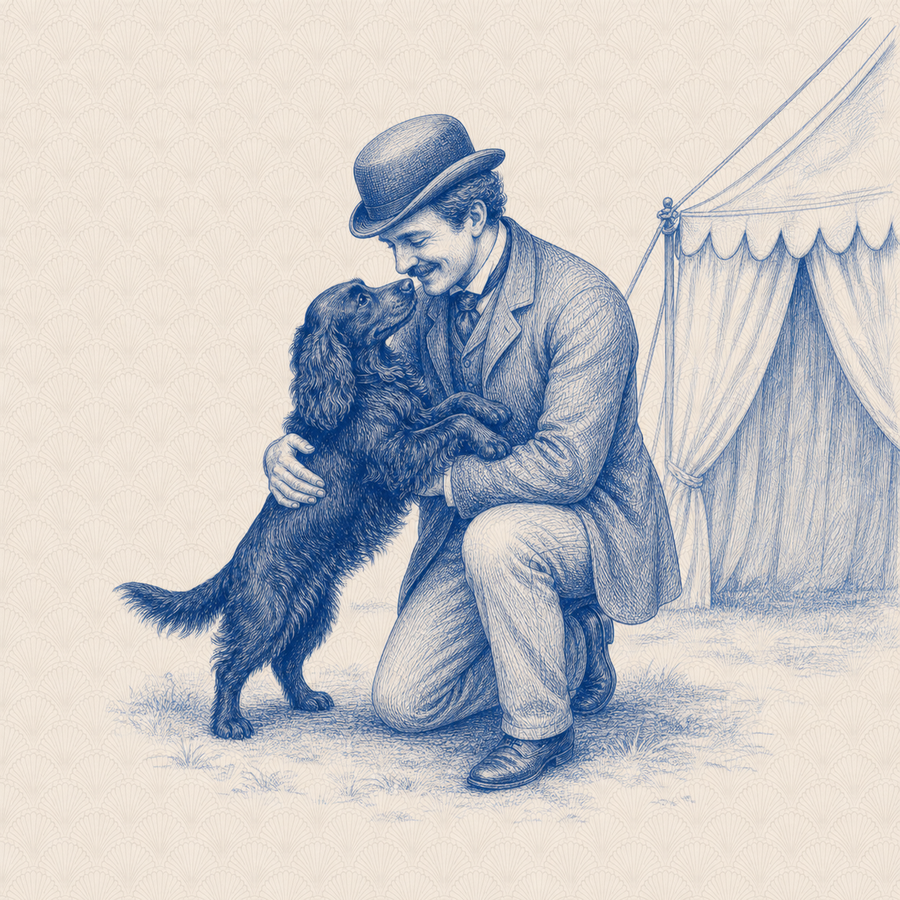
Divided by an ocean, politely
The cocker earned its keep in England’s hedgerows as the smallest of the working land spaniels, and settled into a breed as dog shows demanded consistency — the Kennel Club registered its first in 1873. American fanciers then bred theirs smaller and plusher until the family formally split: the AKC recognized the English Cocker Spaniel as a breed of its own in 1946.
Questions, answered
English vs. American Cocker Spaniel — what’s the difference?
Two distinct breeds. The English Cocker is taller and longer-muzzled with less coat; the American is smaller, rounder-headed, and plusher. This page is the English.
Do English Cocker Spaniels shed?
Moderately — regular brushing keeps loose hair and mats in check. Not hypoallergenic.
Are they good family dogs?
One of the great family spaniels — gentle, playful, and people-centered. They wilt if left out of the household action.
What is a working cocker?
A field-bred English Cocker — lighter coat, higher energy, huge drive. Wonderful for active homes; a lot of engine for a sofa-first household.