Havanese
The little dog Havana couldn’t keep.
Charles Dickens came home from his American travels with a souvenir: a small, shaggy dog of the Havana type, whom he named — with a novelist’s commitment to the bit — Timber Doodle. Timber went everywhere with the family and into the letters: after a flea emergency forced a full shave-down in 1844, Dickens reported that his dog looked “like the ghost of a drowned dog come out of a pond.” It is exactly the fate a Havanese would choose — center of the household, subject of the jokes, entirely indispensable. This breed has been collecting famous laps for five centuries.
Sunny, silky, and attached
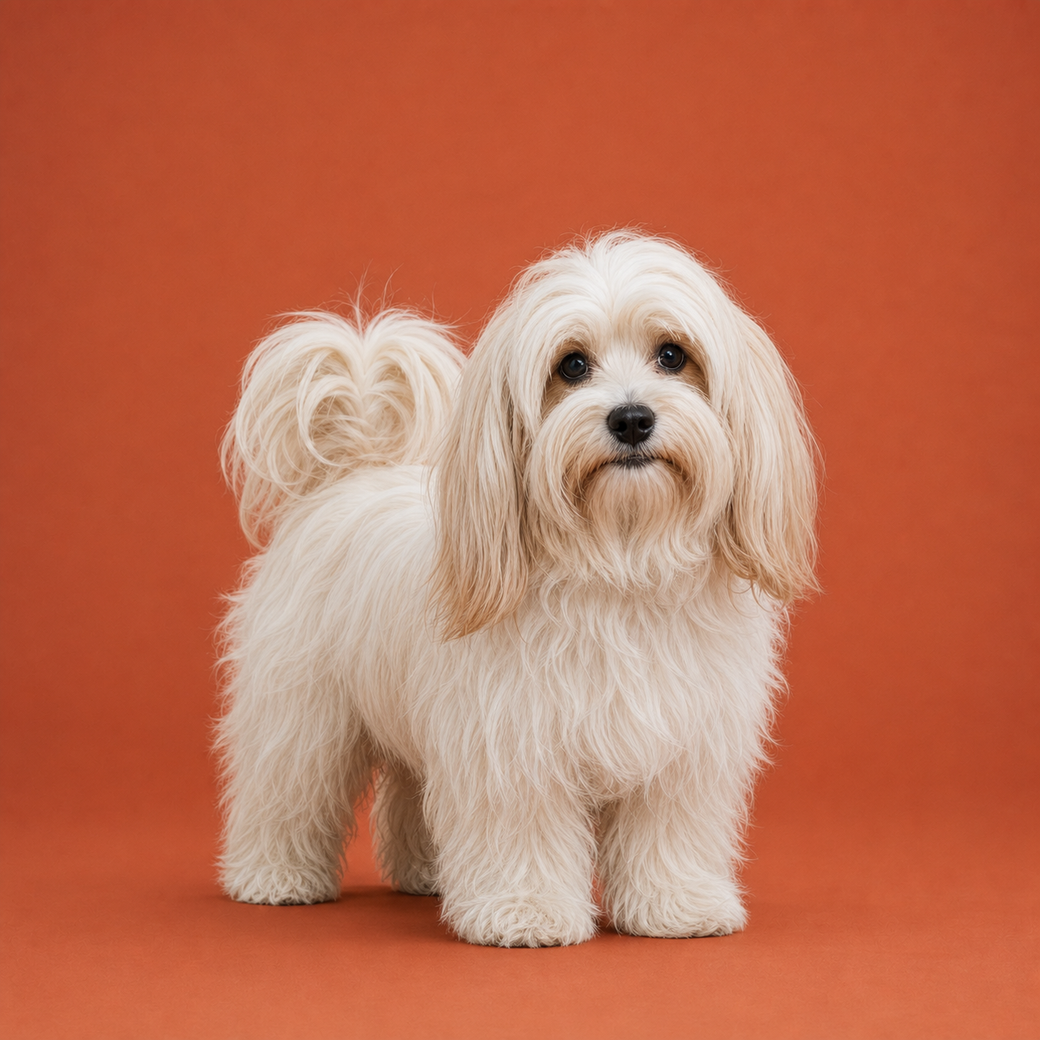
The five centuries run through some notable rooms. Little white dogs of the bichon family became the parlor companions of Havana’s aristocracy, bred on the island into something all Cuba’s own — silkier, springier, sunnier — until European visitors began carrying them home; Queen Anne of England, the story goes, was charmed by a troupe of performing ones. Today the Havanese is Cuba’s national dog and its only native breed. Havana lore adds Ernest Hemingway to the roll of owners — the paper trail there is thin, but it is an exceptionally easy story to believe.
What all that history produced is a professional companion. A Havanese wants an audience the way a herding dog wants sheep: they learn tricks for the applause, follow you room to room on that springy, flashy gait, and treat solitude as a clerical error to be corrected loudly. They are genuinely good with children, cats, and city apartments — small but sturdy, playful but portable — and the silky coat drops remarkably little hair. The honest costs: real grooming, real separation anxiety in households that are never home, and a watchdog’s announcement habit that training can soften but not delete.
Keeping one happy
Grooming
The silky double coat mats faster than it sheds: brush to the skin every day or two, or choose the shorter “puppy cut” most pet homes prefer and brush weekly. Watch the eyes for tear staining, dry the beard after drinks, and keep the ears clean under all that hair.
Training
Among the easiest small dogs to train — they are performers by trade, and trick work, rally, and agility all read to them as stage time. Housetraining is the slow chapter: small bladders need schedules and patience. Keep sessions upbeat, and never reward the bark unless you want a career announcer.
Exercise
Modest and apartment-compatible: a couple of short walks plus lively play sessions cover the body, and the famous spring means much of it can happen indoors. The mind is the bigger appetite — tricks, puzzle feeders, hide-and-seek. A Havanese would rather do anything with you than everything alone.
Diet
Two measured meals of a quality small-breed food, with treats counted honestly — a dog this size gains on crumbs, and the pleading is professional grade. Judge by the waist, not the bowl, since the coat hides weight gain. Go easy on table food, however persuasive the argument.
Ship dog, salon dog, survivor
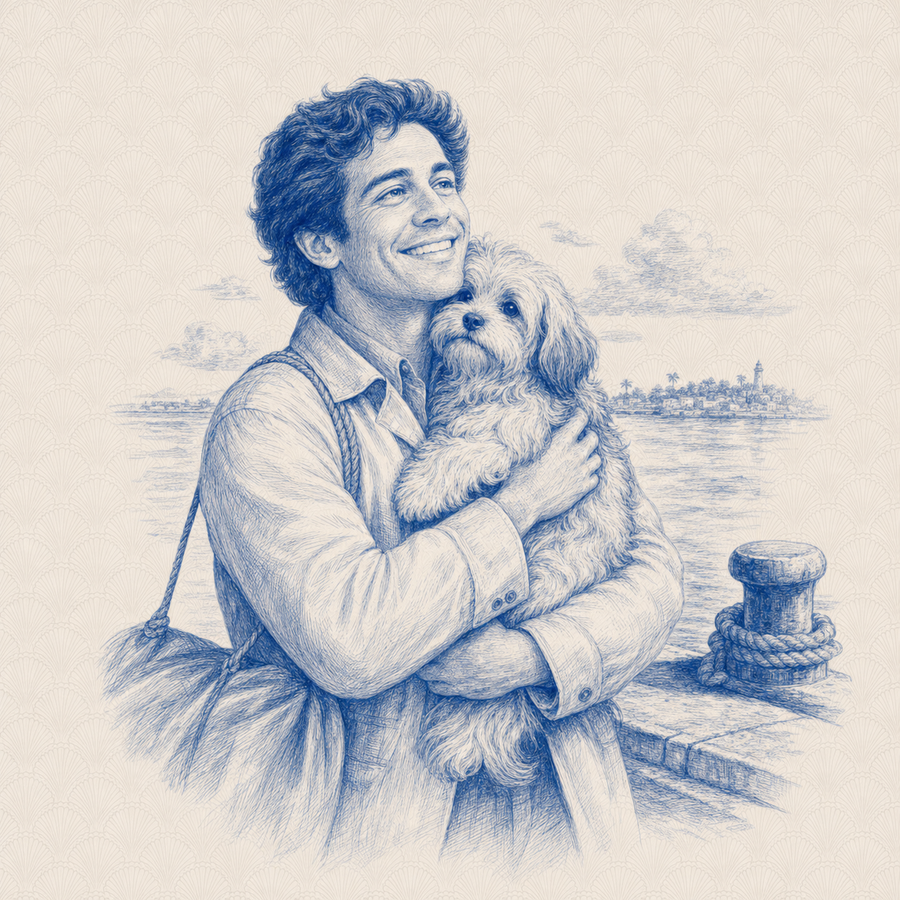
Bichon-family ship dogs reached Cuba with the Spanish in the 1500s and were bred in Havana into the island’s own companion. After the 1959 revolution scattered their owners, the breed nearly vanished; American fanciers rebuilt it in the 1970s from roughly eleven surviving dogs carried out by exiles. The AKC recognized the Havanese in 1996, and the little ship dog found its widest harbor yet.
Questions, answered
Are Havanese hypoallergenic?
They shed very little and are often a good fit for allergy-sensitive homes — but no dog is truly 100% hypoallergenic. Spend time with one first.
Do Havanese bark a lot?
They announce — visitors, deliveries, developments. It is watchdog enthusiasm rather than nuisance barking, and training plus company keep it reasonable.
Can a Havanese be left alone all day?
Not happily. This is a companion breed to the core, and long, empty days invite separation anxiety. They suit households where someone is usually around.
Are Havanese good apartment dogs?
One of the best matches going — small, adaptable, quiet enough with training, and content to exercise largely indoors.