Poochon
The teddy bear, more or less to spec.
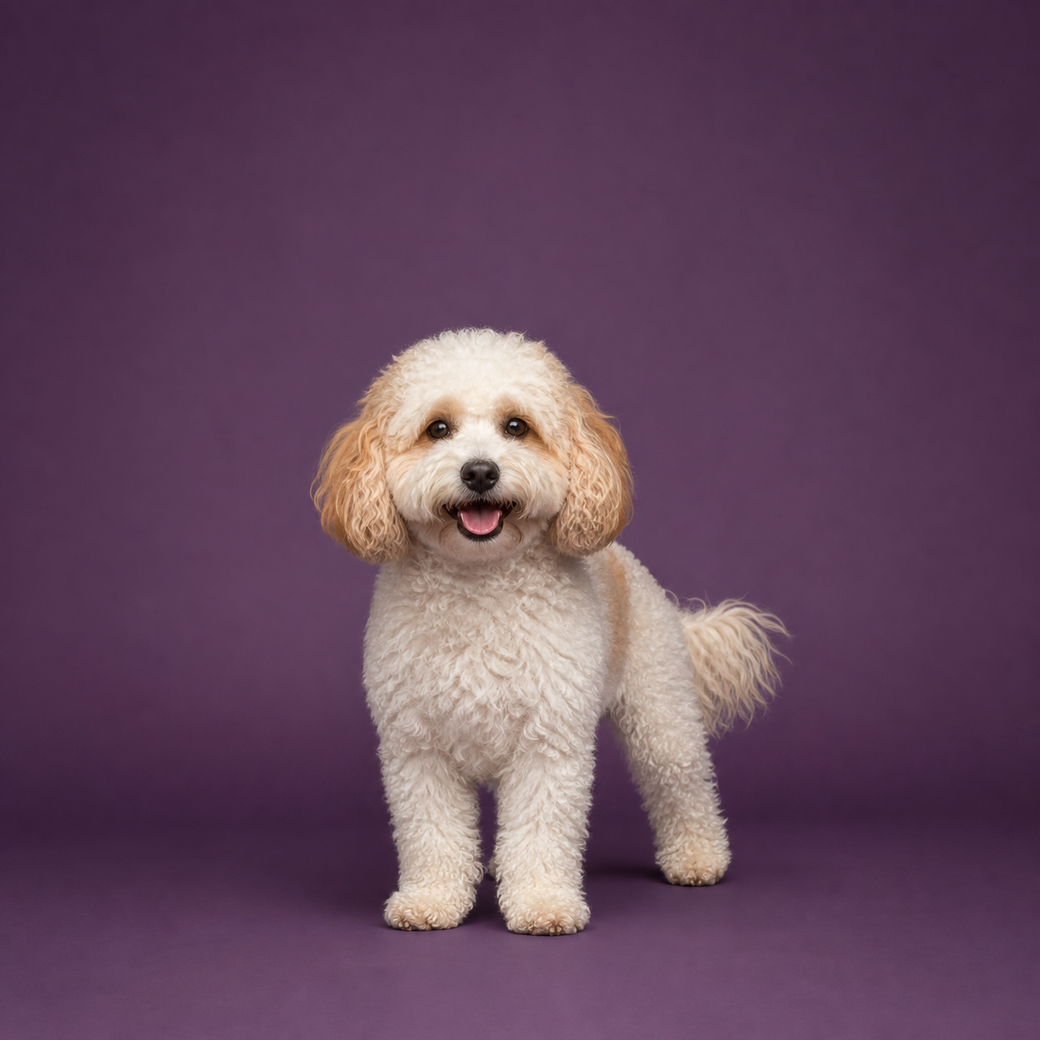
The Poochon — Bichon Frise crossed with Poodle, and sometimes called a Bichpoo or Bichoodle — is the cross that most reliably produces the look everyone is quietly after: the round-faced, curly, teddy-bear dog. Both parents are small, both are low-shedding, and both were bred to be pleasant company rather than to work, which makes the Poochon one of the more predictable crosses on the shelf. Australia gets the credit for popularizing it in the 1990s, though the paper trail is thin. What is not thin is the result: a cheerful, cottony little dog engineered, essentially, for delight.
Cheerful by construction
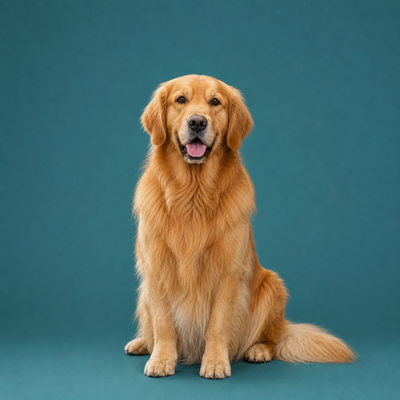
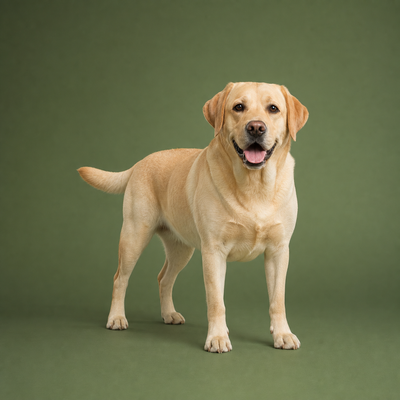
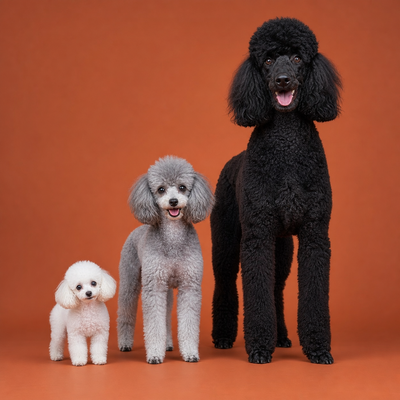
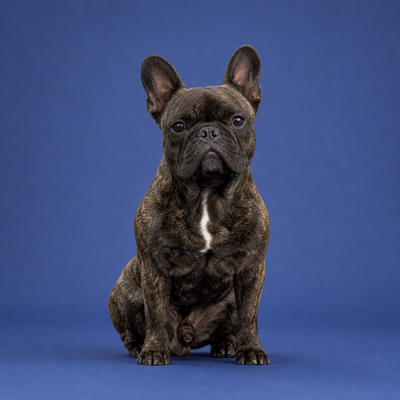
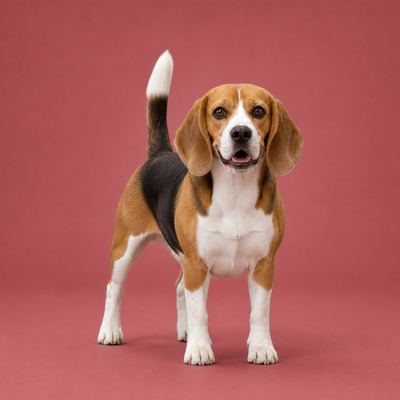
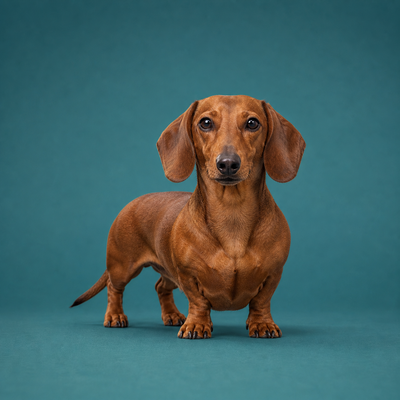
Meet the parents, because for once they largely agree. The Bichon Frise brings a famously merry, affectionate temperament and a plush white coat; the Poodle brings intelligence, a bit more trainability, and the same low-shedding tendency. Because both parents are small companion breeds pulling in the same direction, Poochons vary less than many crosses — but “less” is not “none,” and no standard holds them to a type, so the individual dog still rules. What you can usually count on is the disposition: sociable, playful, and eager to be part of everything.
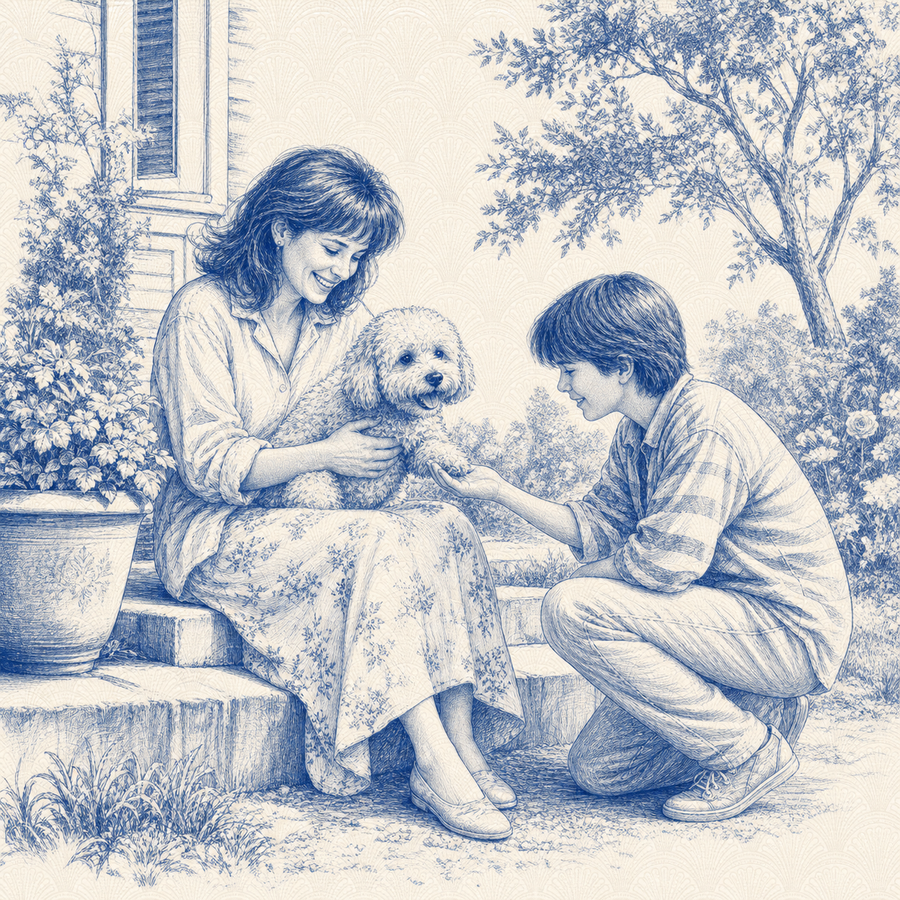
The catch is the one both parents share: a need for company. Poochons are companions through and through, prone to separation anxiety when left too long, and happiest woven into daily life. They are bright and people-pleasing, which makes training a joy and boredom a problem, and small enough that gentle older children suit them better than rough toddlers. The teddy-bear coat, for all its charm, is real work and not a hypoallergenic guarantee. Give a Poochon company, grooming, and a bit of structure, and it becomes exactly the sunny companion the cross was built to be.
Keeping one happy
Grooming
The curly coat mats readily — brush several times a week and plan on a professional trim every four to six weeks to keep the teddy-bear shape. Shedding is low, which means the coat keeps growing and needs upkeep rather than vacuuming. Watch for tear staining on the white coat and keep the ears clean and dry.
Training
Bright, willing, and sensitive, Poochons thrive on positive, reward-based training and fold under harshness. Keep it short, warm, and consistent, socialize early, and make alone-time practice part of the plan from puppyhood. Housetraining a small dog takes patience and a schedule; the intelligence is there, the bladder is just small.
Exercise
Modest — a couple of short walks and some play and training satisfy a Poochon, which makes them natural apartment dogs. The clever mind wants engagement as much as the body wants movement, so puzzle toys and tricks pull their weight. Don’t skip the walks: a bored Poochon fills the gap with barking and mischief.
Diet
A quality small-breed food, measured to keep a little dog lean, covers it — and training treats from a food-motivated dog belong in the daily count. Feed on a schedule, keep water available, and let the vet set portions as the puppy matures. Dental-friendly habits matter for a small mouth prone to crowding.
A tidy little sum
The Poochon is a designer companion cross — Bichon Frise over Poodle, usually Toy or Miniature — popularized in Australia in the 1990s and prized for reliably producing a small, low-shedding, teddy-bear dog. Because both parents are like-sized companion breeds, it varies less than many crosses, but it still carries no kennel-club standard and no studbook. It is a mix bred for one purpose: agreeable company.
Questions, answered
Are Poochons hypoallergenic?
Lower-shedding than most, since both parents are — but not guaranteed allergen-free. Meet the dog before relying on it.
Do Poochons bark a lot?
Some do, especially when bored or lonely. Exercise, company, and training keep it in check; they’re sociable rather than naturally noisy.
Are they good with children?
Yes, with gentle older kids — they’re merry and playful. They’re small, so supervise around toddlers.
Do they need a lot of grooming?
Yes. The curly coat mats and needs brushing several times a week plus regular trims. The teddy-bear look is earned, not automatic.