Puggle
Half pug, half beagle, briefly the whole zeitgeist.
For a stretch of the mid-2000s, the puggle was the most fashionable dog in America. Gossip pages tracked celebrity puggles, one outlet crowned it the hottest dog of 2005, and by one industry count the cross made up more than half of all designer-dog sales the following year. The frenzy was new; the dog was not. Pug-beagle crosses had been happening by accident for years before anyone thought to market them, which is its own kind of endorsement. And the fad got one thing exactly right, the part that lasted: this is a very easy dog to love.
What the fuss was about
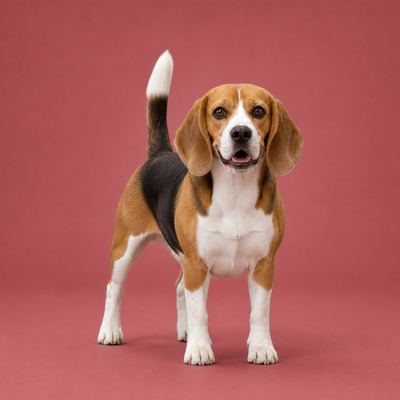
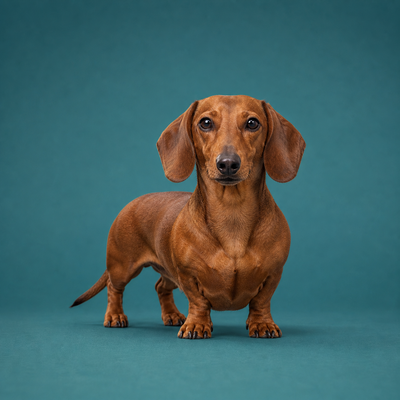
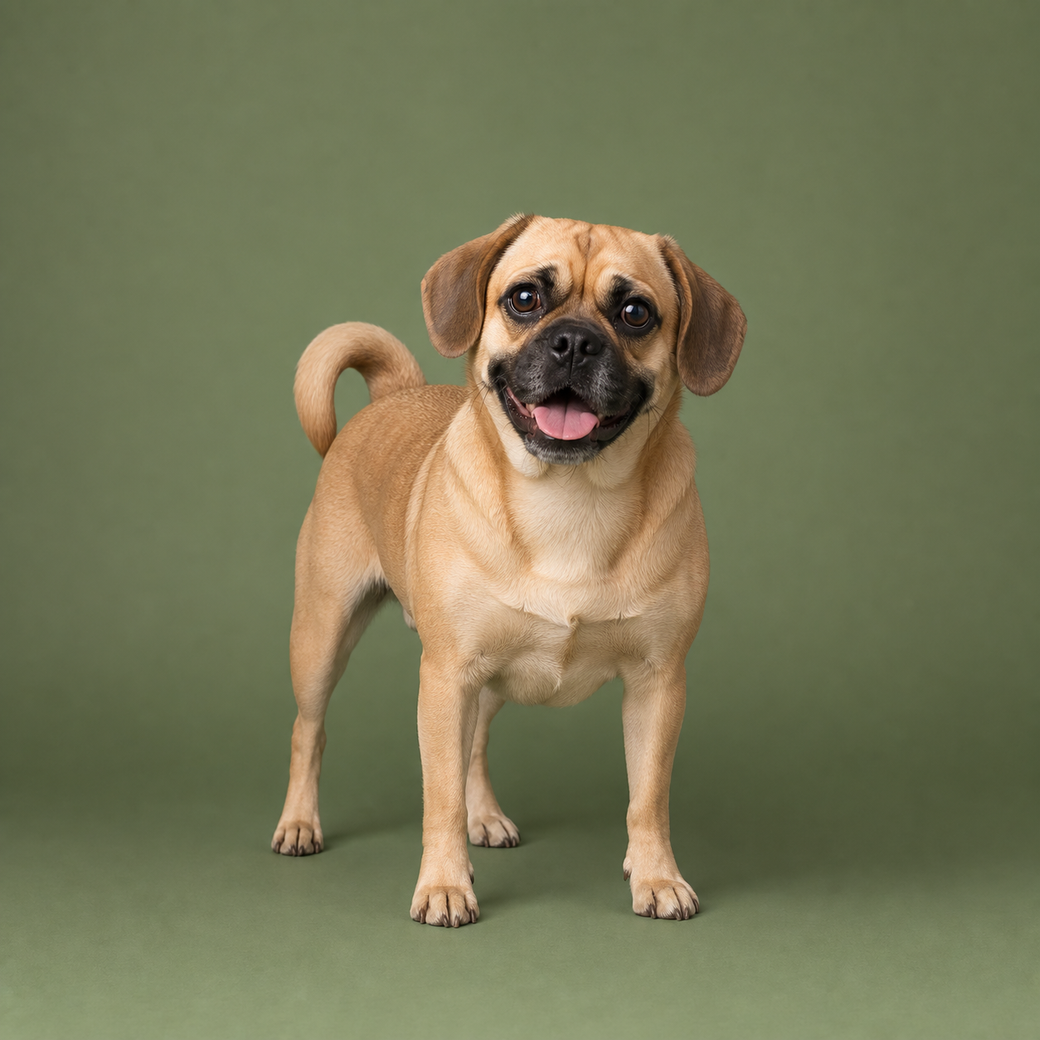
First, the honest rules of any cross: a puggle is not a breed but a recipe, and recipes vary — even within one litter. There is no AKC standard and no guarantee of which parent shows up in the puppy, so meet the parents; they are the best preview you will get. What breeders are aiming for is a pug’s sociability on a slightly sturdier, longer-nosed chassis, with less of the breathing trouble that shadows the flat face. Often that is what arrives. Sometimes the beagle contributes the nose, the wanderlust, and the singing voice instead.
Day to day, a good puggle is an easy companion: small enough for an apartment, sturdy enough for kids, sociable with nearly everyone, and privately certain the sofa was purchased for them. The fine print is inherited from both sides. Pug stubbornness plus beagle food obsession makes training a negotiation conducted in treats; the scent drive means a leash and a real fence, always; and some puggles howl — melodiously, at length. None of it is hard to live with. All of it is worth knowing before the puppy chooses you.
Keeping one happy
Grooming
The short double coat sheds steadily year-round — a weekly once-over with a rubber mitt keeps it civil. Clean the facial wrinkles if your puggle inherited them, and check the long ears if they got those instead. Nails monthly; baths whenever the rolling-in-things instinct wins an argument.
Training
Food is the entire negotiation: puggles are clever, agreeable, and stubborn in a cheerful, immovable way, and treats outrank praise every time. Keep sessions short and rewarding. Recall deserves special attention — when the beagle nose engages, the ears disengage — so practice early and often, and never bet against a scent.
Exercise
Thirty to sixty minutes a day of walks and play suits most puggles — more if the beagle engine came installed. Sniffy walks count double; the nose is the best puzzle toy they own. Mind the heat if yours has the shorter muzzle, and respect the serious napping afterward.
Diet
Both parent breeds are famous overeaters, and the puggle inherited the appetite twice. Two measured meals, a firm treat budget, and no unattended plates — this is a dog that counter-surfs with conviction. Keeping them lean protects the back, hips, and breathing, and adds good years to a small dog.
An accident, then an industry
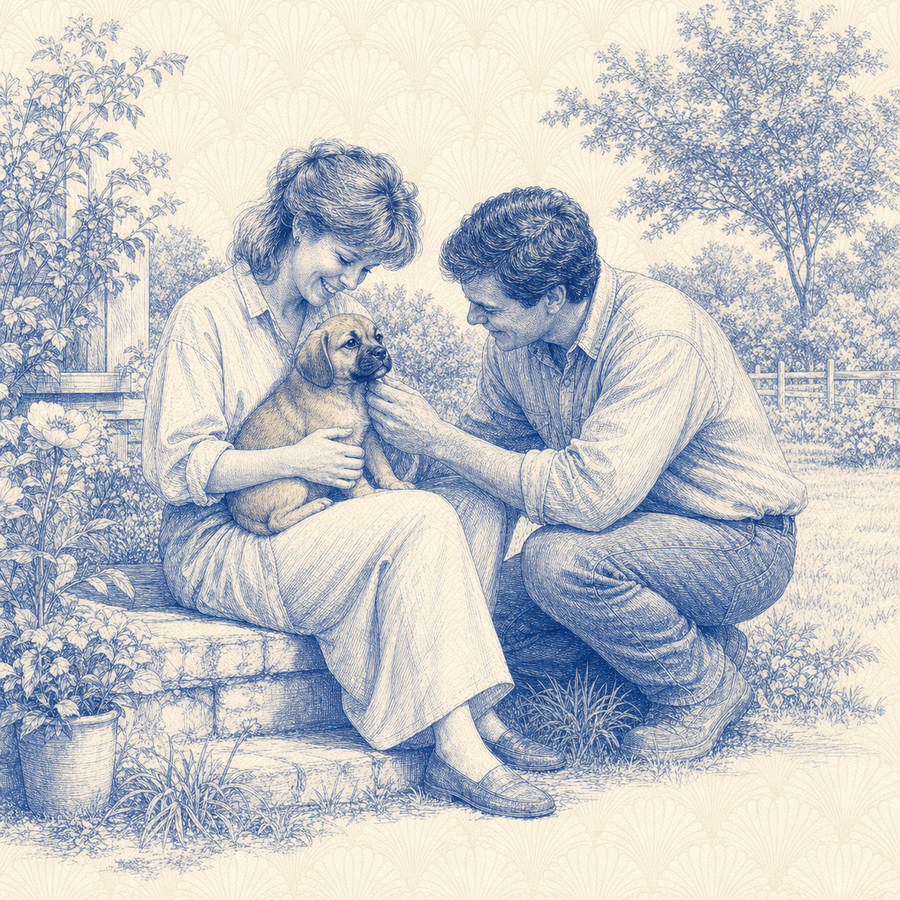
Pug-beagle crosses turned up informally for decades before breeders in 1990s Oklahoma produced the first planned litters, and the portmanteau name surfaced around 2002 — just in time for the boom. There is no AKC standard for the cross and never has been; a puggle’s real pedigree is its parents, which is why good breeders introduce you to both. The fad cooled eventually. The dogs, cheerfully, did not change.
Questions, answered
Are puggles hypoallergenic?
No — they shed steadily, and neither parent breed is low-allergen. Allergy-sensitive homes should spend real time with one first.
Do puggles bark or howl?
Many do both — the beagle side can contribute a genuine howl. Training and company help; boredom turns the volume up.
How big does a puggle get?
Usually 15 to 30 pounds, depending on the parents — meeting them is your best size preview.
Are puggles recognized by the AKC?
No — as a cross, they have no AKC standard or registration. Health testing of both parents matters more than any paperwork.