Shiba Inu
Bred to hunt alone. It shows.
On the afternoon of October 23, 2004, an earthquake flattened the mountain village of Yamakoshi, Japan. In the wreckage of one house, a Shiba Inu named Mari — nursing three newborn puppies — went to work: she carried her puppies to safety, then led rescuers to the room where her elderly owner lay trapped. The village was evacuated by helicopter, and the dogs had to be left behind; Mari kept all three puppies alive in the ruins until her family could return for them. Japan turned the story into a hit film. No one who knows a Shiba was surprised.
Aloof until further notice
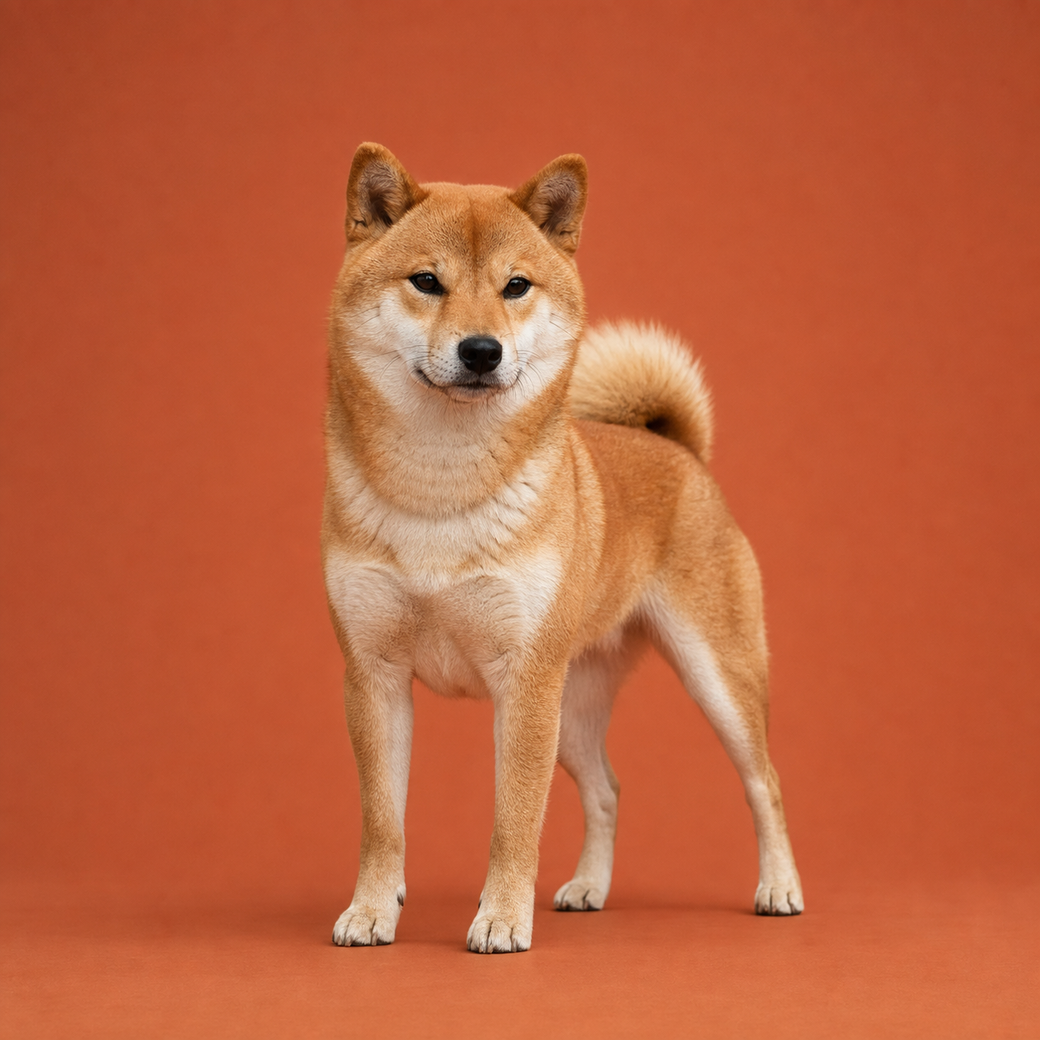
The Shiba is the smallest of Japan’s six native breeds and the most popular dog in Japan itself — a fox-faced, cat-mannered hunter whose name may come from the mountain brushwood it once worked. The internet, of course, knows the face already: a rescue Shiba named Kabosu became the Doge meme and the emblem of a cryptocurrency, achieving global fame without once appearing to want it, which may be the most breed-typical accomplishment on record. The self-possession is ancient and total. Shibas were bred to hunt out of sight of their humans, deciding things alone.
They still decide things alone. A Shiba at home is clean to the point of cattishness, quiet, and composed — grooming their own coat, disdaining puddles, bonding deeply while declining to gush about it. The honest costs: recall is a lifelong negotiation and the leash is non-optional, because a bolting Shiba does not look back; fences get audited for weaknesses; and objections are voiced in the famous Shiba scream, an operatic protest over offenses like nail trims. They are not for owners who need obedience as affection. The devotion is real. It is simply confidential.
Keeping one happy
Grooming
The plush double coat runs self-cleaning — Shibas groom like cats and rarely need baths — but it sheds year-round and blows out twice annually in drifts. Brush weekly, then daily during the blows, and never shave it. Nail trims may be theatrical events; start the habit, and the bribery, early.
Training
Motivation is everything: Shibas learn fast and comply when it makes sense to them, so make it make sense — food, play, brevity, and zero drilling. Socialize early and broadly. Off-leash reliability is not a realistic goal outside fenced ground; that is breed design, not a training failure.
Exercise
An hour or so daily of walks and play keeps the body right; puzzle work and games keep the rest of the dog out of committee. They are escape researchers by temperament — exercise happens on leash or behind serious fencing. Cold weather improves their mood; rain, in their view, is a scheduling error.
Diet
Two measured meals for a compact, efficient athlete — Shibas gain weight quietly under the plush. Many are particular eaters, which is negotiation, not emergency; resist the lobbying and keep portions steady. Treats work hard in training with this breed, so budget them against dinner like the currency they are.
Rebuilt from three bloodlines
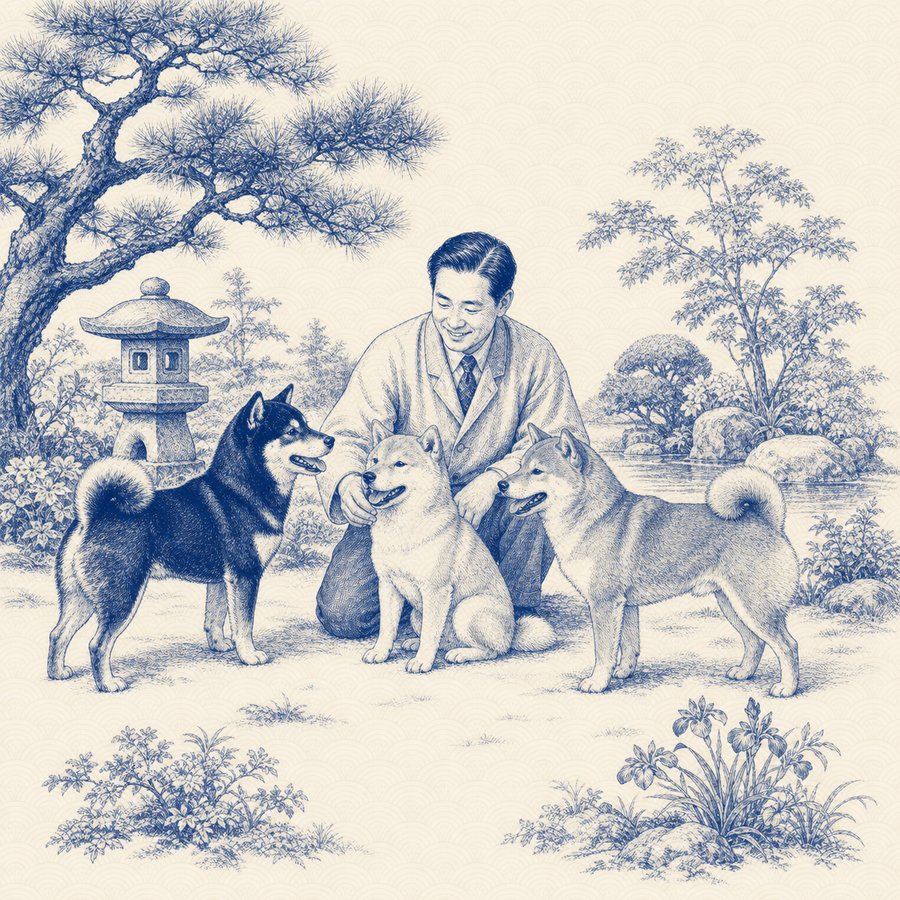
For centuries the Shiba hunted birds and boar in Japan’s mountain brush. The Second World War nearly erased the breed — bombing and distemper left so few dogs that it was rebuilt from three surviving regional bloodlines, the Shinshū, Mino, and San’in, merged into today’s single type. An American military family brought the first Shiba home in 1954; AKC recognition followed in 1992.
Questions, answered
Do Shiba Inus shed a lot?
Yes — steady shedding plus two heavy seasonal blows when the undercoat leaves in handfuls. Not hypoallergenic.
What is the Shiba scream?
A loud, high-pitched protest vocal some Shibas deploy for objectionable events — baths, nail trims, being carried. Dramatic, harmless, and entirely on-brand.
Can a Shiba Inu go off leash?
No — the breed’s independence and prey drive make recall unreliable for life. Fenced yards and leashes are standing equipment.
Are Shibas good with kids and other pets?
Fine with respectful kids and dogs they know; small pets can read as prey, and toys may not be shared. Early socialization matters.