Yorkipoo
Half silk, half curl, all opinion.
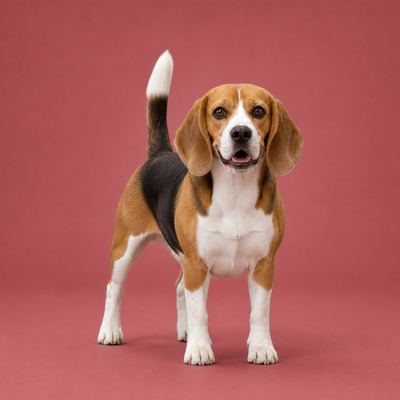
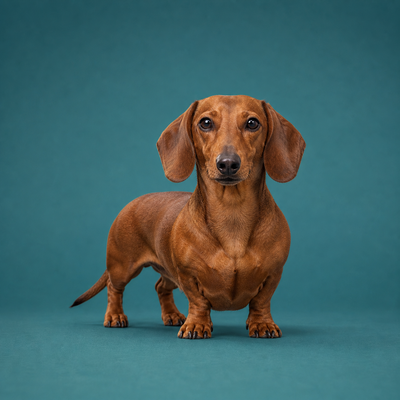
Every Yorkipoo begins as a genetic coin toss, and nobody — not the breeder, not the vet, not the dog — knows exactly how it will land. One parent is a Yorkshire Terrier, a silk-coated Victorian ratter with the self-regard of a much larger animal. The other is a Toy or Miniature Poodle, one of the cleverest dogs ever bred. The puppies draw some mixture of curl and silk, spark and polish, in proportions that vary from litter to litter and dog to dog. What arrives in every deal, though, is the same three cards: smallness, brains, and conviction.
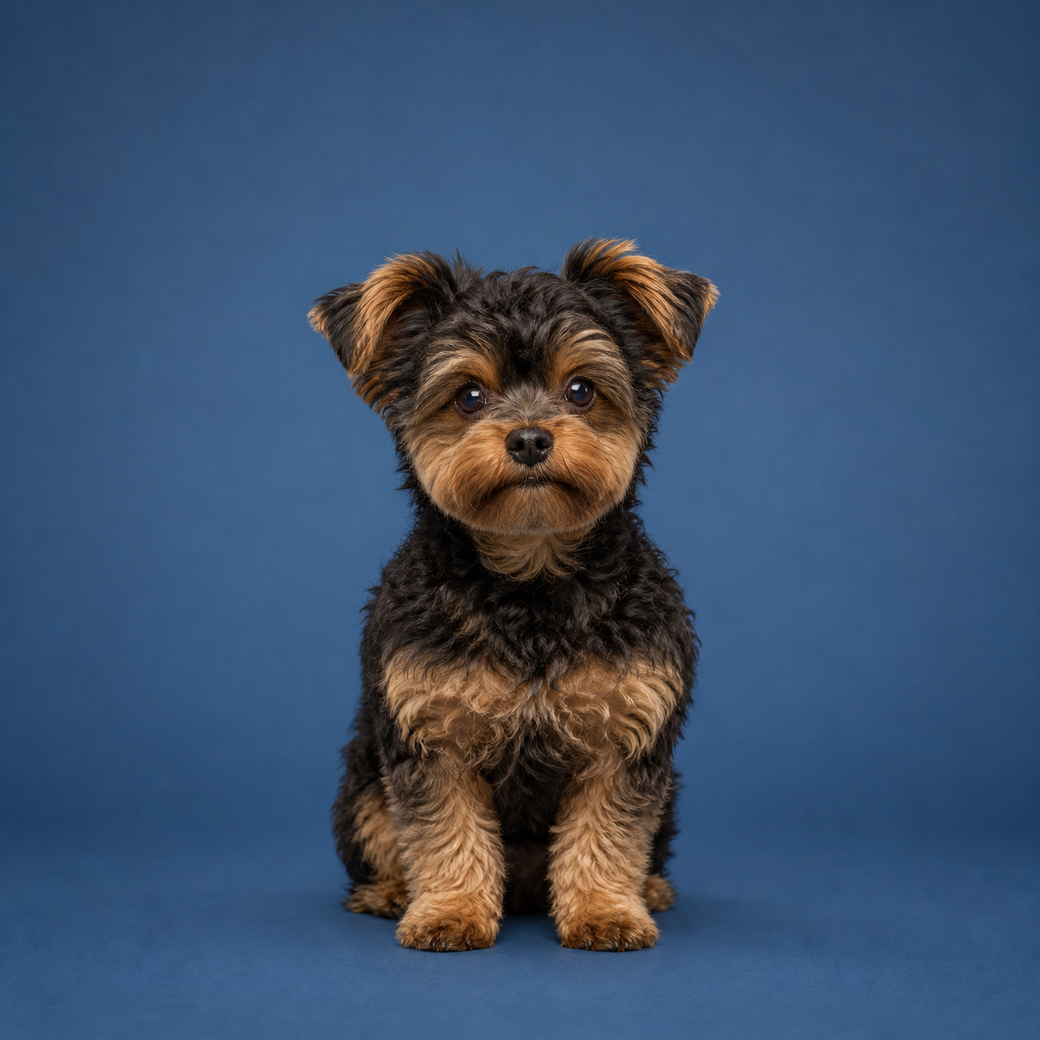
Small dog, variable settings
Honesty is owed here, because crosses trade on promises: there is no Yorkipoo standard, no major-registry recognition, and no guarantee of any particular coat, size, or temperament — first-generation mixes inherit unpredictably, and meeting both parents remains the best forecast available. What tends to come through anyway: a small dog, roughly three to fifteen pounds; a low-shedding coat that still needs real grooming; and a lively, people-centered nature with a voice it is not shy about using. The mix rose with the designer-dog wave of recent decades, and it clearly rose on merit.
Day to day, a Yorkipoo is a committed participant in your life — lap-seeking, endlessly interested in household comings and goings, quick to learn tricks and quicker to learn your schedule. They suit apartments beautifully, size-wise; the terrier-grade alarm barking is the part that needs early training. Leave them alone too long and they take it personally. The grooming is real — curls mat — and the knees and teeth deserve watching, as in most toy dogs. In return: a dozen years and more, with luck, of complete and vocal devotion.
Keeping one happy
Grooming
Low-shedding is not low-effort: the curl-and-silk coat mats easily, so brush every day or two and book a professional groom every four to six weeks. Keep eyes wiped and ears checked under all that hair. The upside of hair over fur — the haircut can be anything you like.
Training
A quick, willing student with a terrier caucus inside: keep sessions short, funny, and paid in tiny treats. Housetraining takes a schedule and patience — small bladder, strong opinions. Practice brief absences early to head off separation trouble, and teach a quiet cue while the announcing habit is still a hobby.
Exercise
Twenty to forty minutes a day of walks and play covers the body, and a hallway fetch session counts double at this size. The mind needs its own workout — puzzle feeders, trick training, sniffy walks. A bored Yorkipoo files complaints; the neighbors will co-sign them.
Diet
Two or three small measured meals a day, with real vigilance about portions — a few pounds is the whole dog, and treats add up instantly. Feed little and often in puppyhood; Yorkipoos start tiny enough to need the frequency. Quality beats quantity at this scale, and the teeth will thank you.
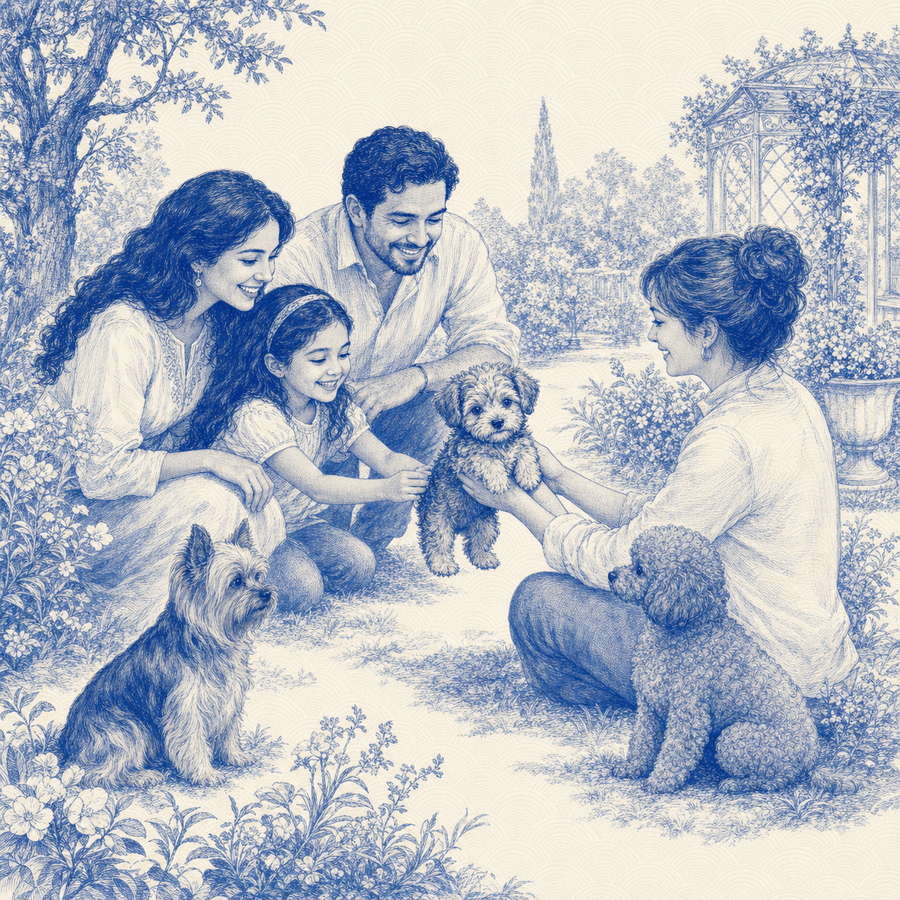
Two pedigrees, no paperwork
The cross dates, as best anyone can tell, to the North American designer-dog boom of recent decades — an attempt to fold the Yorkshire Terrier’s portable charm into the Poodle’s trainable, lower-shedding package. It worked often enough to stick. There is still no breed standard and no major-registry recognition, so the buyer’s real safeguard is old-fashioned: health-tested parents, and a breeder happy to show you both of them.
Questions, answered
Are Yorkipoos hypoallergenic?
Often a good pick for allergy-sensitive homes thanks to two low-shedding parent breeds — but no dog, cross or purebred, is guaranteed hypoallergenic.
How big do Yorkipoos get?
Most land between about 3 and 15 pounds, depending on whether the Poodle parent was a Toy or a Miniature.
How long do Yorkipoos live?
Commonly 12–15 years — small crosses tend to be long-lived with good care.
Do Yorkipoos bark a lot?
Many inherit the Yorkie alarm system. Early training, exercise, and mental work keep the bulletins brief.